Foam Board Sign Benefits: Best Indoor Uses and Limits
 Jean
January 15, 2026Updated October 19, 20268 min read
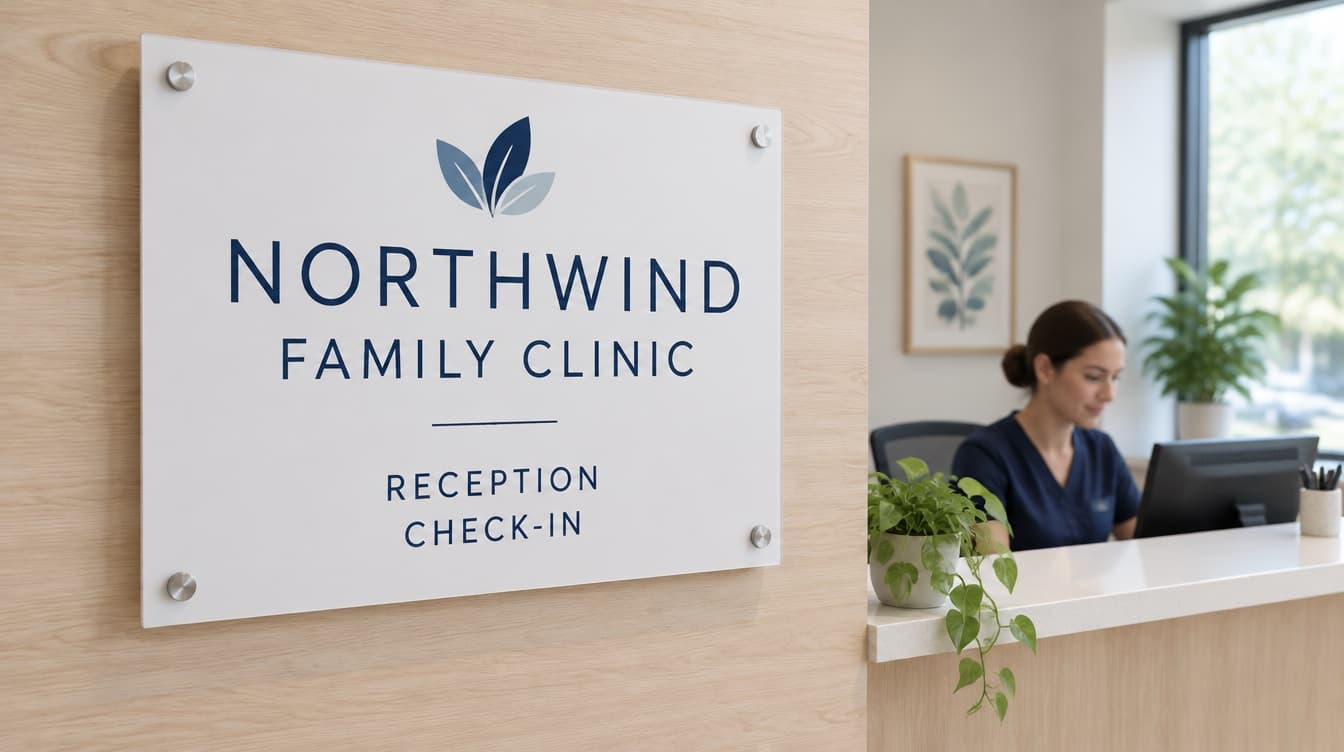

What Are the Main Foam Board Sign Benefits?
Foam board signs are lightweight 3/16 in panels made for indoor presentations, trade shows, and displays. An 18 x 24 in foam board sign is $64.19, printed in the USA in 3 business days after artwork approval, and shipped nationwide for flat $10. Choose another material for outdoor use because foam board is indoor only.
Foam board is useful when an indoor display needs a light, flat printed panel that can move between presentations, meetings, exhibits, or trade show spaces. Its 3/16 in foam core gives the sign a defined panel shape, while the paper facing carries the printed message.
An 18" x 24" Foam Board Sign is $64.19. Printed in the USA in 3 business days and shipped nationwide, flat $10 shipping to any US address.
One naming clarification matters. The foam board sign sold here is paper-faced foam core for indoor use. It is not rigid expanded-plastic PVC board.
| Product fact | What it means for the order | Planning decision |
|---|---|---|
| 3/16 in foam core with paper facing | A lightweight indoor display panel with a visible white core at the cut edge | Choose it for a controlled indoor setting |
| Indoor use only | The material choice is limited by the display environment | Confirm the environment before designing |
| 12 x 18 through 24 x 48 in, or custom size | The panel can fit common small and large display areas | Measure the finished display area first |
| 3 business days after artwork approval | Production begins after the file is approved | Complete artwork decisions before the deadline |
| Flat-rate nationwide shipping | Shipping follows the production window | Leave time for transit after production |
The benefits and limits come from the same facts. Foam board is light because it has a foam core, but the paper-facing construction is also why the product belongs indoors. A good choice starts with the setting, then moves to dimensions, message, and artwork.
Where Does Foam Board Work Best?
Foam board works best in controlled indoor spaces where the sign serves as a presentation or display panel. That includes trade show graphics, meeting signs, exhibit information, lobby notices, classroom presentations, sales displays, and short campaign messages placed inside a building.
The material is especially useful when a team expects to move the panel between rooms or events. "Lightweight" is a product description, not a promise that every size will be handled the same way. Larger panels still need thoughtful transport and storage so the paper face and exposed edges stay presentable.
Match the size to viewing distance and message density. A smaller panel can handle a title, one image, and a short supporting line at close range. A larger panel gives the artwork more area, but it should not become an excuse for several competing messages. The reader still needs a clear first point.
Foam board also suits a coordinated set of signs. A registration message, schedule, room label, and sponsor panel can share the same visual system while carrying different information. Keep the type, colors, spacing, and image treatment consistent so the group reads as one program.
What Limits Should Be Decided Before Ordering?
The main limit is straightforward: this foam board is indoor only. Decide the environment before investing time in layout. If the sign's setting falls outside that product condition, choose another material rather than expecting the paper-faced panel to perform a job it was not sold to do.
The printed face and white core edge are part of the product's physical appearance. An edge may remain visible depending on how the panel is presented. Include that in the visual decision instead of assuming the board is a solid plastic sheet with the same material running through its face and center.
No weight rating, impact rating, or mounting system is specified for the foam board. Treat the paper face and exposed foam core as the actual construction rather than as a solid plastic sheet. Plan the display method with the venue and keep those requirements separate from the printed-board order.
Custom size is available, but "custom" does not remove the indoor-use limit or change the 3/16 in material. It changes the finished dimensions. A custom panel should still begin with a measured display area and artwork prepared for that exact shape.
How Should Artwork Be Planned for Foam Board?
Artwork should be designed for the finished panel dimensions and the reader's actual viewing distance. Start with one message. Give it a clear headline, a supporting image or graphic, and only the details the reader needs at that moment.
Use hierarchy to control the scan. The business or event name should not compete with every supporting line. Contact details, schedules, or directions need enough contrast to remain readable, but they should follow the main message rather than overpower it. Empty space helps separate those levels.
Photographs should have enough resolution for the selected dimensions. Logos and type should look clean at actual size. Review the file without relying on extreme zoom, because zoom can make crowded text seem easier to read than it will be on a physical panel.
If several signs belong to one event or presentation, build one visual system before making every panel. Set the type styles, color palette, image treatment, and spacing first. Then change the message for each sign. Consistency makes an inexpensive indoor display feel considered rather than improvised.
What Does the Cut Edge Reveal About Foam Board?
The cut edge reveals a white foam core beneath the printed paper facing. That construction keeps the 3/16 in panel light while giving the face a smooth surface for an indoor presentation, exhibit, meeting, or trade show display.
That exposed foam center distinguishes paper-faced foam board from a solid PVC sheet. The face and center are different materials, so a visible white edge is a normal part of the finished panel rather than a defect or an unprinted plastic surface.
The edge should be considered when the sign is viewed from the side or displayed against a dark background. Display hardware is not listed as included, so choose any easel, stand, or wall support separately with the venue and the finished panel dimensions in mind.
How Do You Plan a Coordinated Indoor Sign Set?
A coordinated indoor sign set begins by listing each location and giving every panel one job. A welcome panel can direct registration, a schedule can sit near a meeting room, and information panels can support presentation tables. Confirm that every location stays indoors before selecting foam board.
Measure each display area before assigning dimensions. Keep the welcome sign focused on the event name and check-in direction, the schedule focused on session order, and each information panel focused on one subject. Repeating the same colors, type, spacing, and graphic treatment connects the set.
Choose from 12 x 18 through 24 x 48 in, or select custom dimensions for a measured space. Prepare each file at its selected finished size. Confirm the venue's display method separately because hardware is not stated as included, then allow time for artwork approval, production, and shipping.
The most reliable order is environment, dimensions, message, and display method. That sequence keeps the indoor-only material tied to a suitable setting and prevents artwork from being built before the physical panel and its purpose are known.
What Does a Foam Board Sign Order Include?
The order includes the selected foam board sign made from 3/16 in foam core with paper facing. Available dimensions run from 12 x 18 through 24 x 48 in, with custom sizing available. The product is indoor only.
Before ordering, confirm the finished dimensions, indoor setting, final message, and artwork. The file should match the size selected on the product page. Check names, dates, hours, contact details, and directional wording carefully because those facts become part of the printed display.
Production is 3 business days after artwork approval. Shipping follows production. The product facts do not list display hardware as included, so coordinate any separate display requirements with the venue rather than assuming they arrive with the board.
Which Foam Board Sign Mistakes Should You Avoid?
Do not treat paper-faced foam core and PVC board as the same material. Do not treat "lightweight" as a license to ignore careful handling, and do not describe the panel as suitable beyond its indoor-only setting.
Avoid designing before measuring the display area. A file can have the right message and still use the wrong proportions. Avoid filling a large panel with several unrelated messages, too. More surface area should improve clarity, not increase clutter.
Do not assume display hardware is included. It is not listed as part of the foam board order and should be planned separately. Finally, do not plan from the upload time. The 3 business day production window begins after artwork approval, with shipping afterward.
When Should You Choose Foam Board?
Choose foam board when the job is an indoor presentation, trade show, meeting, exhibit, or display and a lightweight 3/16 in paper-faced panel fits the space. Choose the size from the physical setting, keep the message focused, and plan the display method separately.
When those conditions match, order a custom foam board sign. Select a standard or custom size, submit artwork built for those finished dimensions, and complete artwork approval so production can begin.
Frequently Asked Questions
The foam board sign uses a lightweight 3/16 in foam core with paper facing. It is an indoor display panel for presentations, trade shows, and similar uses. It is not rigid expanded-plastic PVC board.
Yes. The current foam board sign is indoor only. Choose it after confirming that the presentation, trade show, meeting, lobby, classroom, or display will remain in a suitable indoor environment. Select a different material when that condition is not true.
Available standard sizes range from 12 x 18 in through 24 x 48 in, and a custom-size option is available. Measure the intended display area before preparing artwork so the file and selected dimensions describe the same finished panel.
Foam board is best for indoor presentations, trade shows, information displays, meeting signs, exhibit labels, and other controlled display settings. Its light foam core makes it convenient to move, while the paper facing provides the printed surface.
Production takes 3 business days after artwork approval. Shipping follows production, so the approval point is the useful date when planning for a presentation, trade show, meeting, or display deadline.
A foam board order covers the selected paper-faced 3/16 in sign, size, production timing, and shipping. Display hardware is not listed as included, so plan the venue's display method separately.
Related Articles

Poster Sizes: 11x17, 18x24, 24x36, Bleed and Pixels
Standard poster sizes are 11 x 17, 18 x 24 and 24 x 36 inches. Get bleed, safe zones, pixel [...]
Read More: Poster Sizes: 11x17, 18x24, 24x36, Bleed and Pixels
Pop Up Display Design: 36 x 90 and 48 x 90 in Tension Fabric
A pop up display design is 36 by 90 in or 48 by 90 in, a tension fabric pillowcase on an [...]
Read More: Pop Up Display Design: 36 x 90 and 48 x 90 in Tension Fabric
Business Signs: Choosing the Right Type for Each Job
A 13 oz vinyl banner suits temporary promotions; choose decals for glass, A-frames for [...]
Read More: Business Signs: Choosing the Right Type for Each Job
Indoor and Outdoor Signage: Materials, Sizes and Cost
Outdoor signs need UV printed 13 oz vinyl, 4 mm coroplast or .040 aluminum rated 5 plus years. [...]
Read More: Indoor and Outdoor Signage: Materials, Sizes and Cost