Vehicle Wrap Vinyl Longevity: Cast vs Calendered Film
 Tomas Amaya
October 19, 2026Updated October 19, 20263 min read
What Decides How Long Wrap Vinyl Lasts?
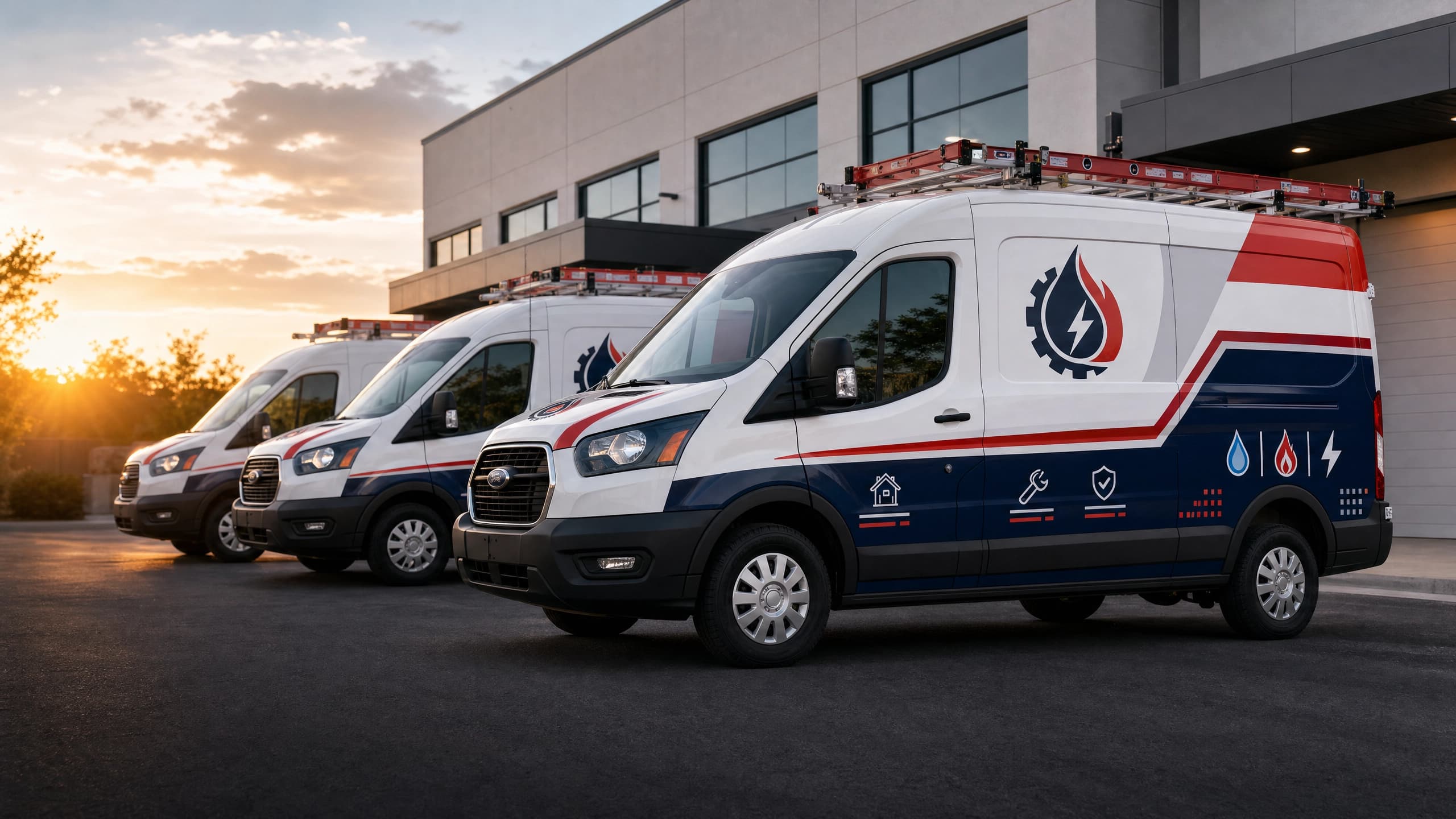
Vehicle wrap vinyl longevity depends on 4 things: the film type, the laminate over the print, the surface it goes on and how the vehicle is cared for. Cast film is the type used for curves and full wraps. Inline Graphics wrap graphics are produced in 3 business days after proof approval.
Four things decide how long vehicle wrap vinyl lasts: the film type, the laminate over the print, the surface it goes on and how the vehicle is cared for. A fleet wrap that has all four right is the one that stays on clean.
| Factor | What to check |
|---|---|
| Film type | Cast film for curves and full coverage |
| Laminate | A laminate over the print, gloss or matte |
| Surface | Sound paint, no rust, peeling paint or failed clear coat |
| Care | Washing and parking habits for the vehicle |
How Do Cast and Calendered Vinyl Differ?
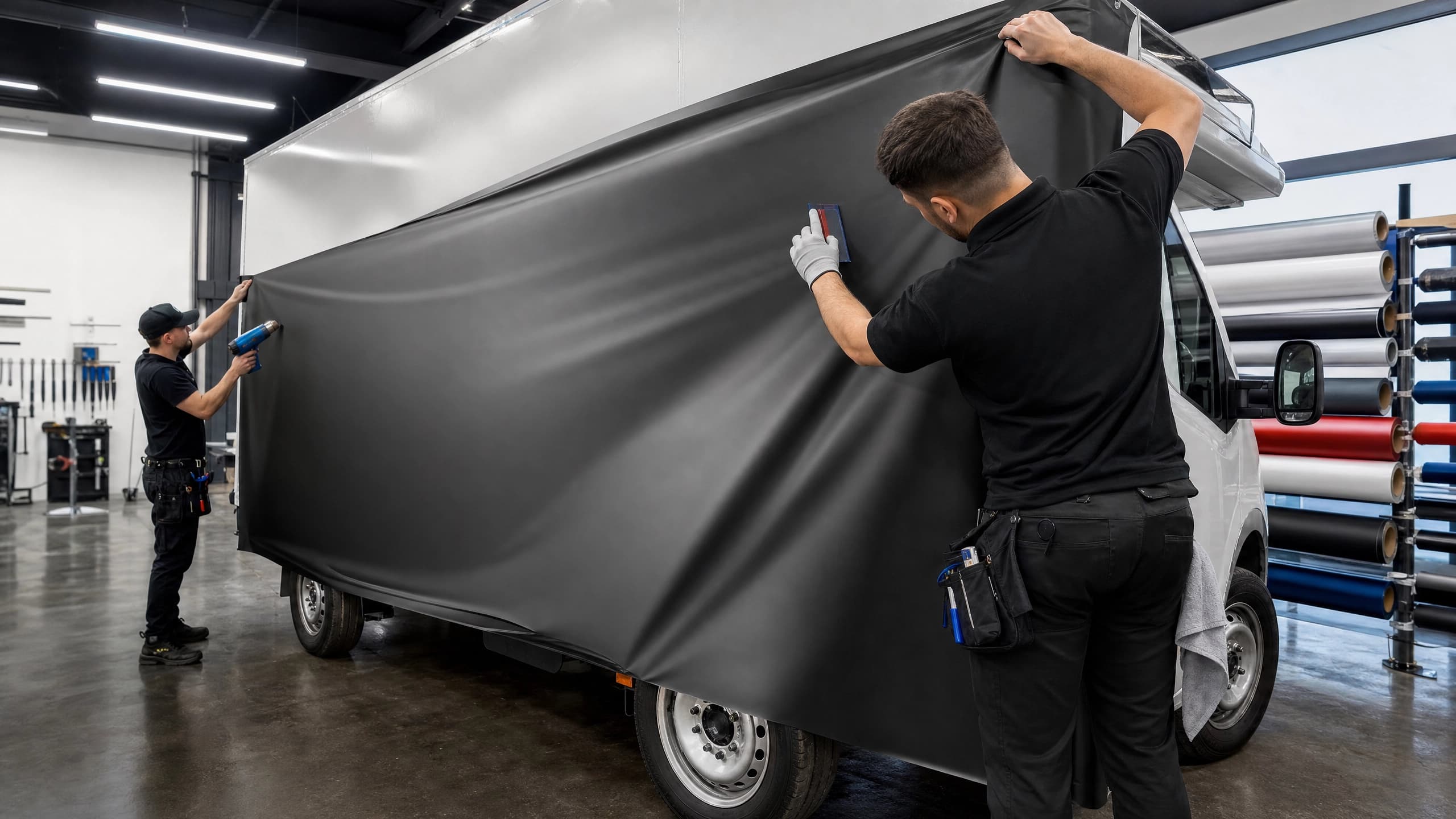
Cast vinyl is made as a thin film that conforms to curves, rivets and body lines and stays put. Calendered vinyl is rolled and stretched into sheet form and is usually used on flat surfaces. A wrap that runs over door handles, wheel arches and body seams is a job for cast film.
For a fleet, the shape of each vehicle matters more than the size of the fleet. A box truck with flat sides and a cargo van with deep curves can need different film choices for the same design.
Which Wrap Films Does Inline Graphics Sell?
Inline Graphics sells Printed Wrap Vinyl by the square foot on two cast films: General Formulations GF 830 AutoMark cast and 3M IJ-180Cv3 cast, each with a gloss or matte laminate. It is print only for your own installer, and panels wider than 52 inches are split with a 1 inch overlap and ship labeled in order.
Car door decals and USDOT number decals are printed on 3M IJ-180Cv3 cast vinyl. The product pages describe cast vinyl as the film that conforms to curves and door seams.
Why Does the Surface Matter?
The surface matters because vinyl only holds as well as what it is stuck to. A wrap does not repair peeling paint, failed clear coat or rust, and covering a damaged panel is not a substitute for repairing it.
Before quoting, Inline Graphics asks for photos of any damaged, repaired or repainted panels so the work can be confirmed first.
How Do You Plan a Fleet Wrap?
Plan a fleet wrap one vehicle class at a time, with the same approved artwork across every vehicle. Fleet pricing starts at 3 vehicles and is quoted per fleet.
Installed full wraps run $2,675 to $3,745 on a sedan, $3,745 to $5,885 on a cargo van and $5,350 to $8,560 on a box truck, for design, print and installation in the San Antonio area. Wrap graphics are produced in 3 business days after proof approval. Start with the fleet graphics page or the wrap quote.
Pick the coverage for each vehicle.
Frequently Asked Questions
Four things decide it: the film type, the laminate over the print, the condition of the surface and how the vehicle is cared for. Cast film with a laminate, applied to sound paint, is the usual choice for fleet wraps.
Cast vinyl is made as a thin film that conforms to curves, rivets and body lines without pulling back. Calendered vinyl is rolled and stretched into sheet form and is usually used on flat surfaces. Wraps that cover curves use cast film.
Printed Wrap Vinyl is sold by the square foot on General Formulations GF 830 AutoMark cast or 3M IJ-180Cv3 cast vinyl, with a gloss or matte laminate. It is print only, for your own installer.
A laminate protects the printed layer from scratches and UV, which is why wrap films are sold with one. The printed wrap vinyl and vehicle decals on this site are laminated.
No. A wrap does not repair peeling paint, failed clear coat or rust, and vinyl needs a sound surface to hold. Repair the panel first and send photos with the quote request.
Related Articles
Truck Wrap Cost in San Antonio: Installed Price Ranges
A full printed wrap runs $3,210 to $5,350 on a pickup or SUV and $5,350 to $8,560 on a box [...]
Read More: Truck Wrap Cost in San Antonio: Installed Price Ranges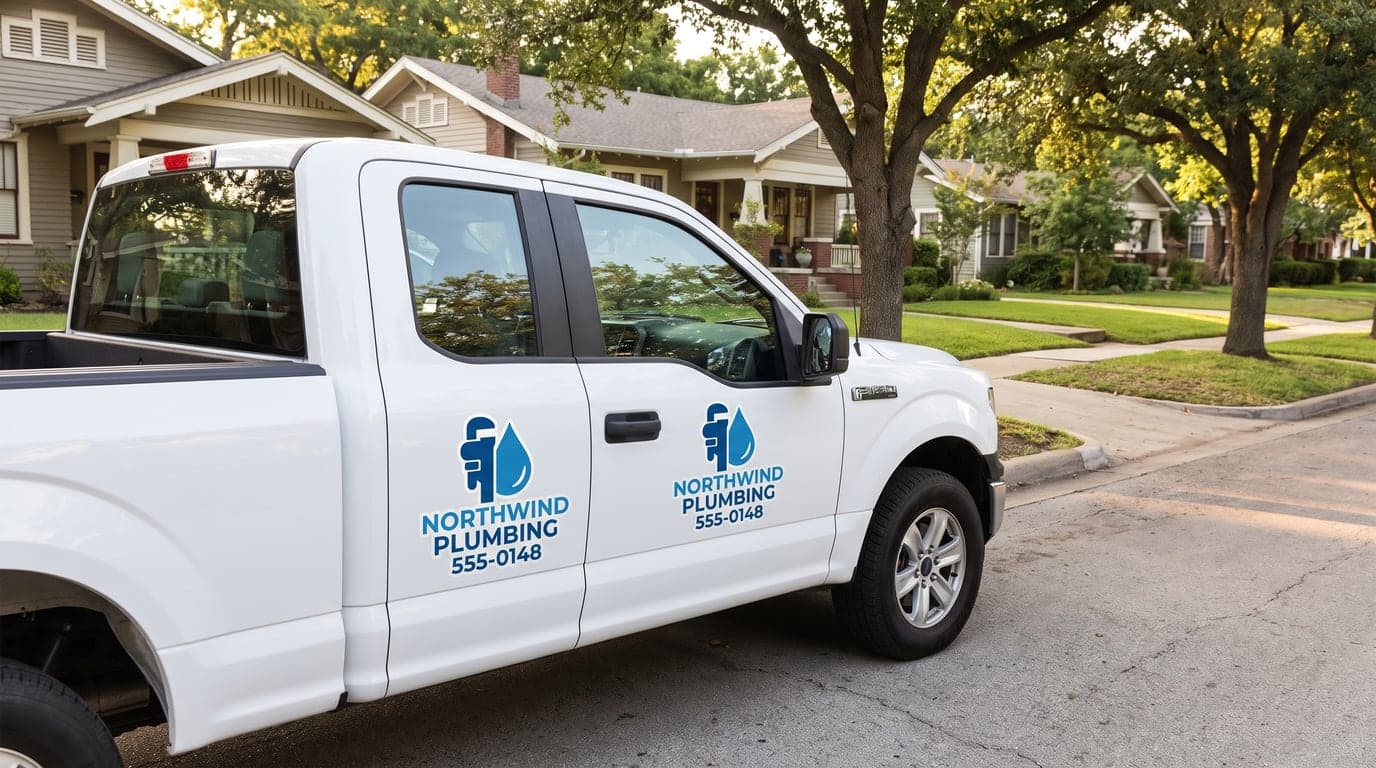
Car Door Decals: Pair Sizes and Prices for Work Trucks
Car door decals come as a pair in four sizes, from 12 by 12 in to 24 by 24 in, on 3M cast vinyl [...]
Read More: Car Door Decals: Pair Sizes and Prices for Work Trucks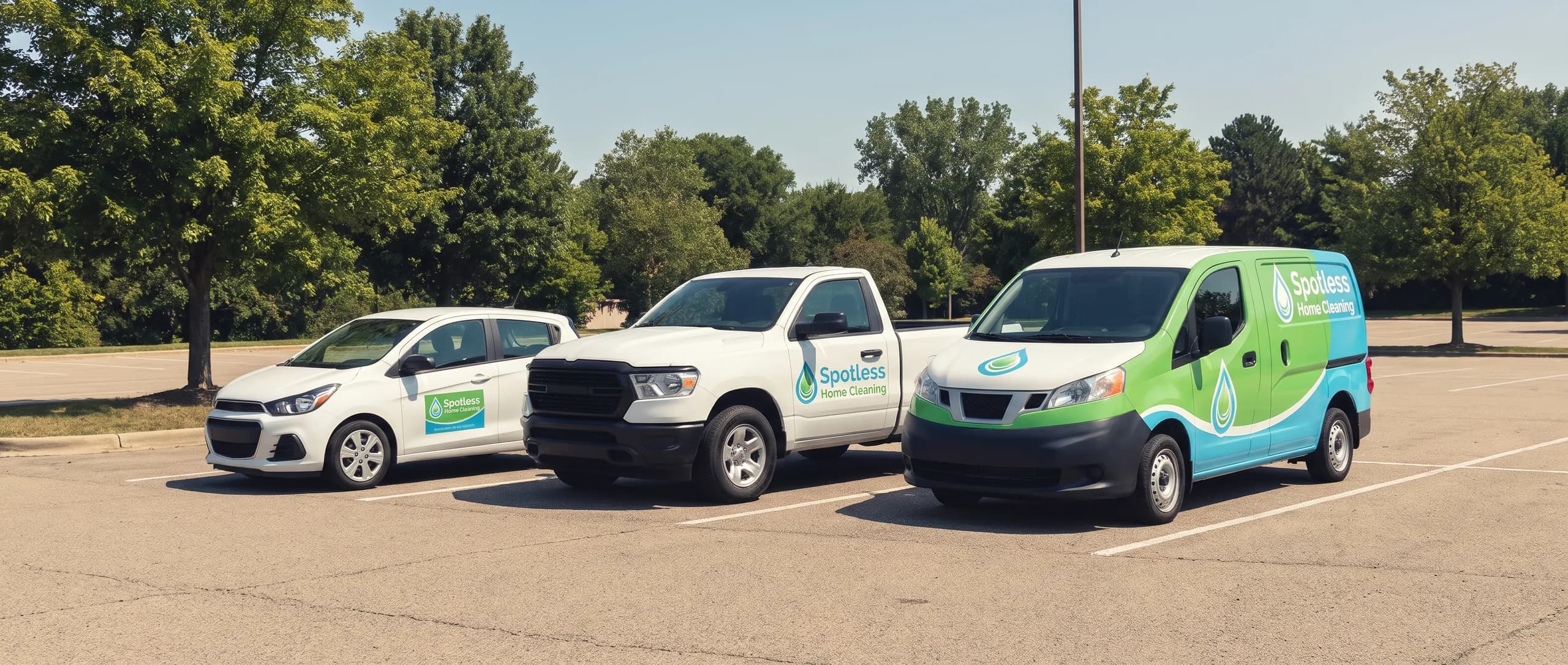
Car Magnet vs Decal vs Wrap: Cost, Life and Removal
An 18 x 12 inch car magnet is $64.19 and comes off at night, while a cast vinyl door decal [...]
Read More: Car Magnet vs Decal vs Wrap: Cost, Life and Removal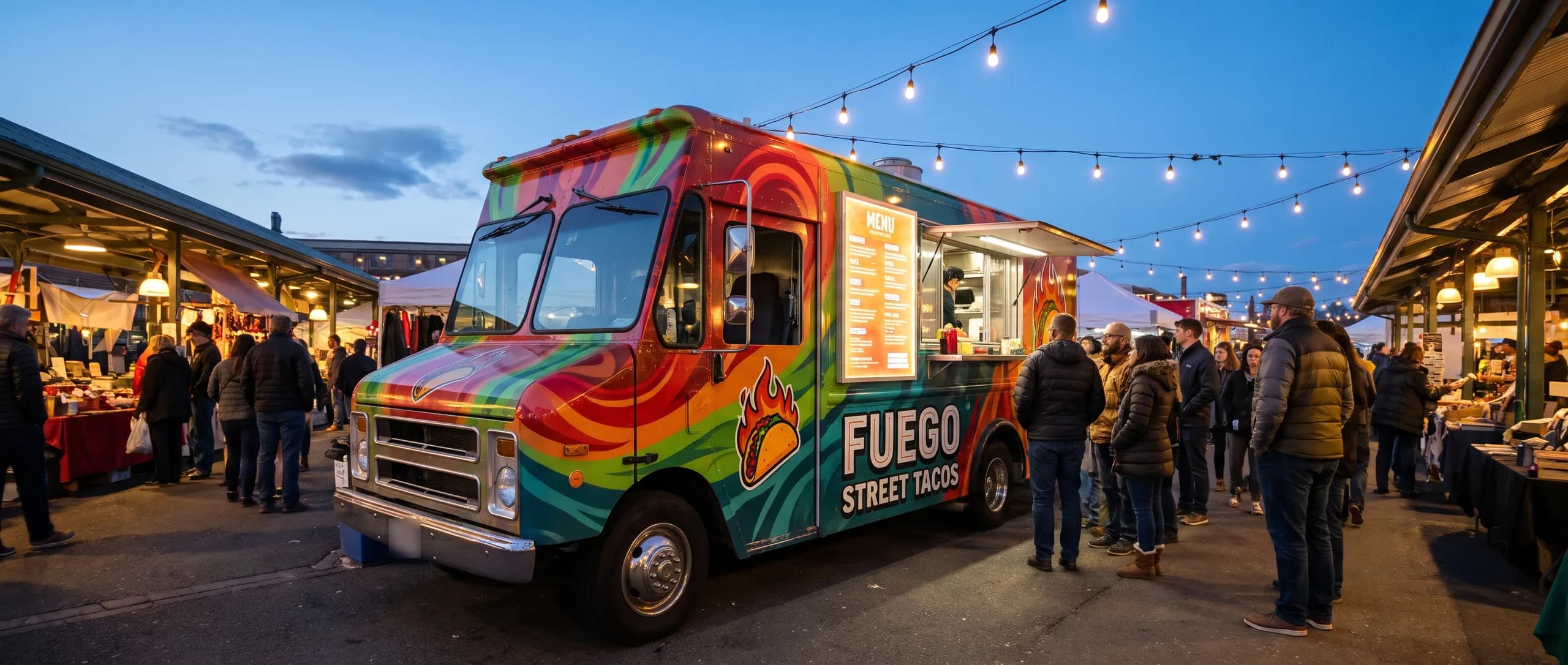
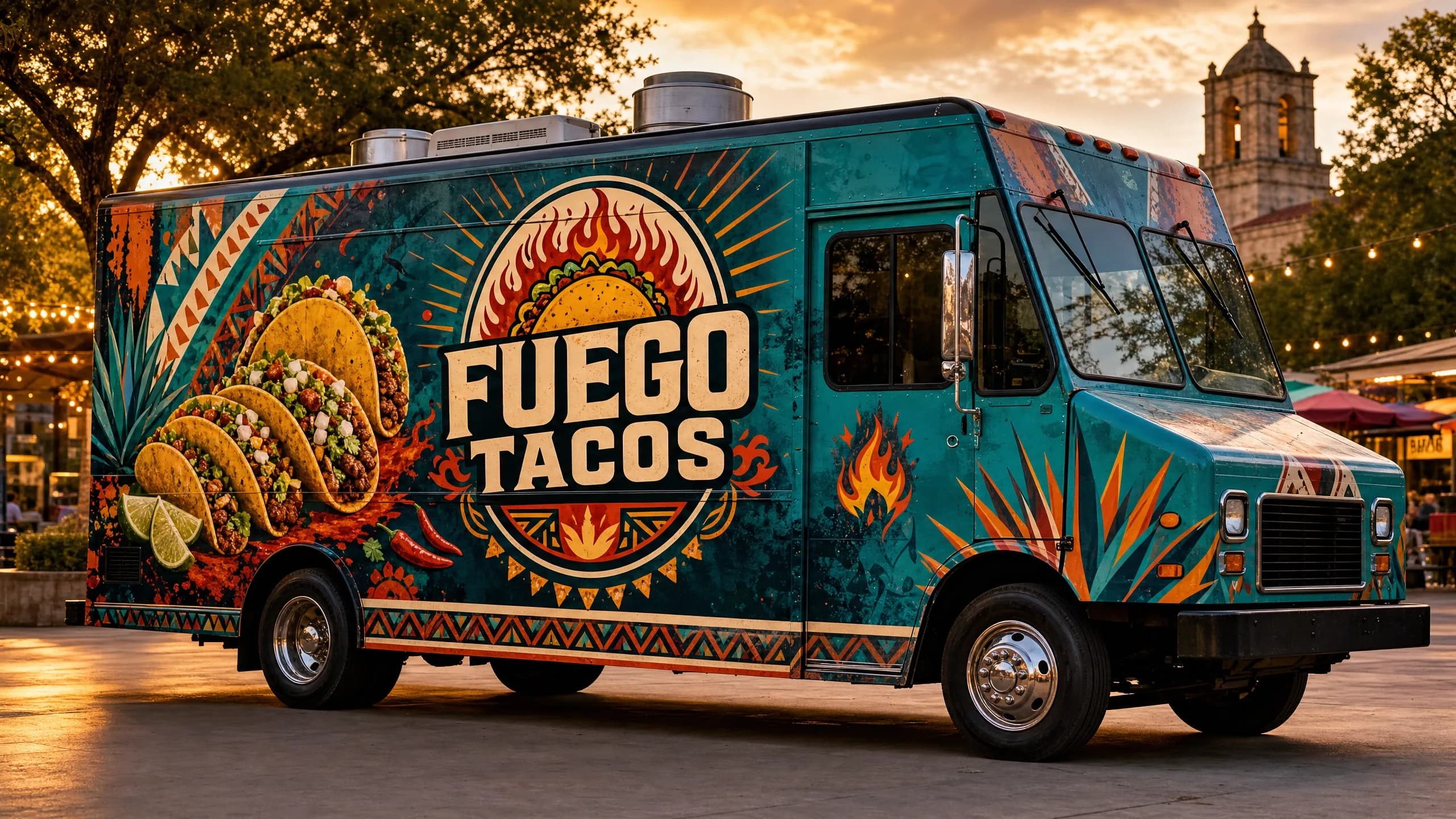
Food Truck Wrap: Full Wrap, Partial Wrap or Lettering
Food truck wrap vinyl prints in 52 inch wide panels from $53.49, ready in 3 business days. [...]
Read More: Food Truck Wrap: Full Wrap, Partial Wrap or Lettering