Sign Materials Guide: Coroplast, PVC, ACM, Metal and Acrylic
 Tomas Amaya
October 31, 2026Updated November 3, 20268 min read
Which Sign Material Should You Choose?
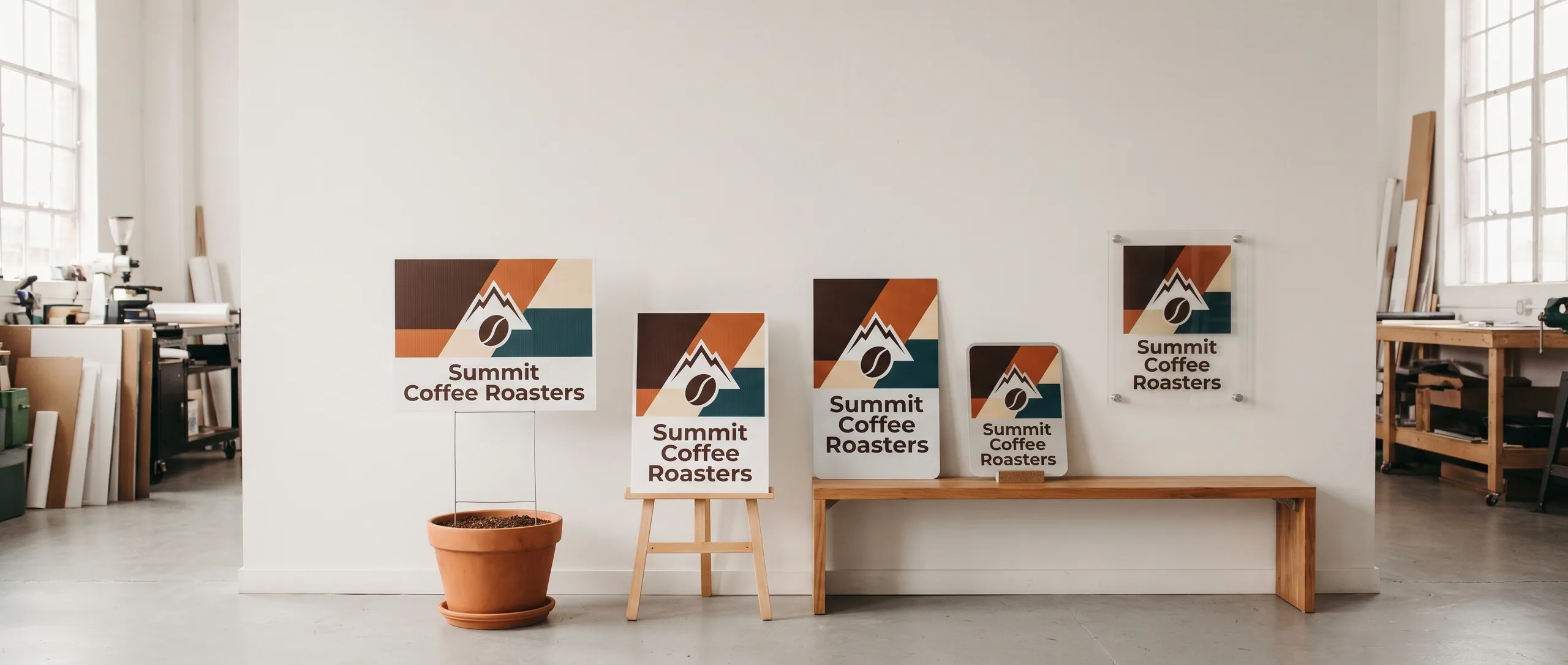
An 18 x 24 inch coroplast yard sign is $64.99, an 11 x 17 inch foam board sign is $64.99 and a 10 x 14 inch aluminum sign is $59.99. Use coroplast for staked outdoor jobs, foam board indoors, and aluminum or ACM for permanent outdoor signs. All are printed in the USA with flat $10 shipping.
Choose the material by where the sign goes and how long it stays. Outdoors for weeks on a stake: coroplast. Indoors for an event: foam board or styrene. Indoors on a wall for years: GatorFoam, ACM or acrylic. Outdoors on a post or wall for years: aluminum or ACM. Somewhere wet for a short time: PVC.
Every material below is UV printed in full color and cut to size, and every one ships from the USA for a flat $10 per product to any US address.
| Material | Indoor or outdoor | Starting price | Production |
|---|---|---|---|
| Coroplast yard sign, 4 mm | Outdoor, temporary | 18 x 24, $64.99 | Next day |
| Styrene, thin and semi rigid | Indoor, short term | 11 x 17, $64.99 | 3 days |
| Foam board, 3/16 in | Indoor only | 11 x 17, $64.99 | 3 days |
| PVC, 1/8 in | Indoor, short outdoor | 6 x 24, $64.99 | 3 days |
| GatorFoam, 3/16 or 1/2 in | Indoor | 18 x 24, $85.59 | 3 days |
| ACM, 3 mm | Indoor and outdoor | 12 x 18, $64.99 | 3 days |
| Aluminum, .040 in | Outdoor, 5+ years | 10 x 14, $59.99 | 3 days |
| Acrylic, 1/4 in clear | Indoor display | 12 x 12, $84.99 | 3 days |
How Much Does Each Sign Material Cost?
The starting prices in the table above are for the smallest size each product page sells, printed on one side, so they are not the same size from row to row. Compare materials at your exact size on each product page before you decide, because a small sign in one material and a large sign in another is not a fair comparison.
Price follows size more than material. Within one size, the choice between neighbors such as foam board and PVC usually comes down to water and handling, not budget. Each product page shows the total for every size, side and option before you pay.
Three costs apply the same way to every material. Shipping is a flat $10 per product to any US address. AI image to print makes your existing file print ready for $14.99 per item. Design it for me builds the layout for $29.99 with two revisions, free on an item of $499 or more.
When Should You Choose Coroplast?
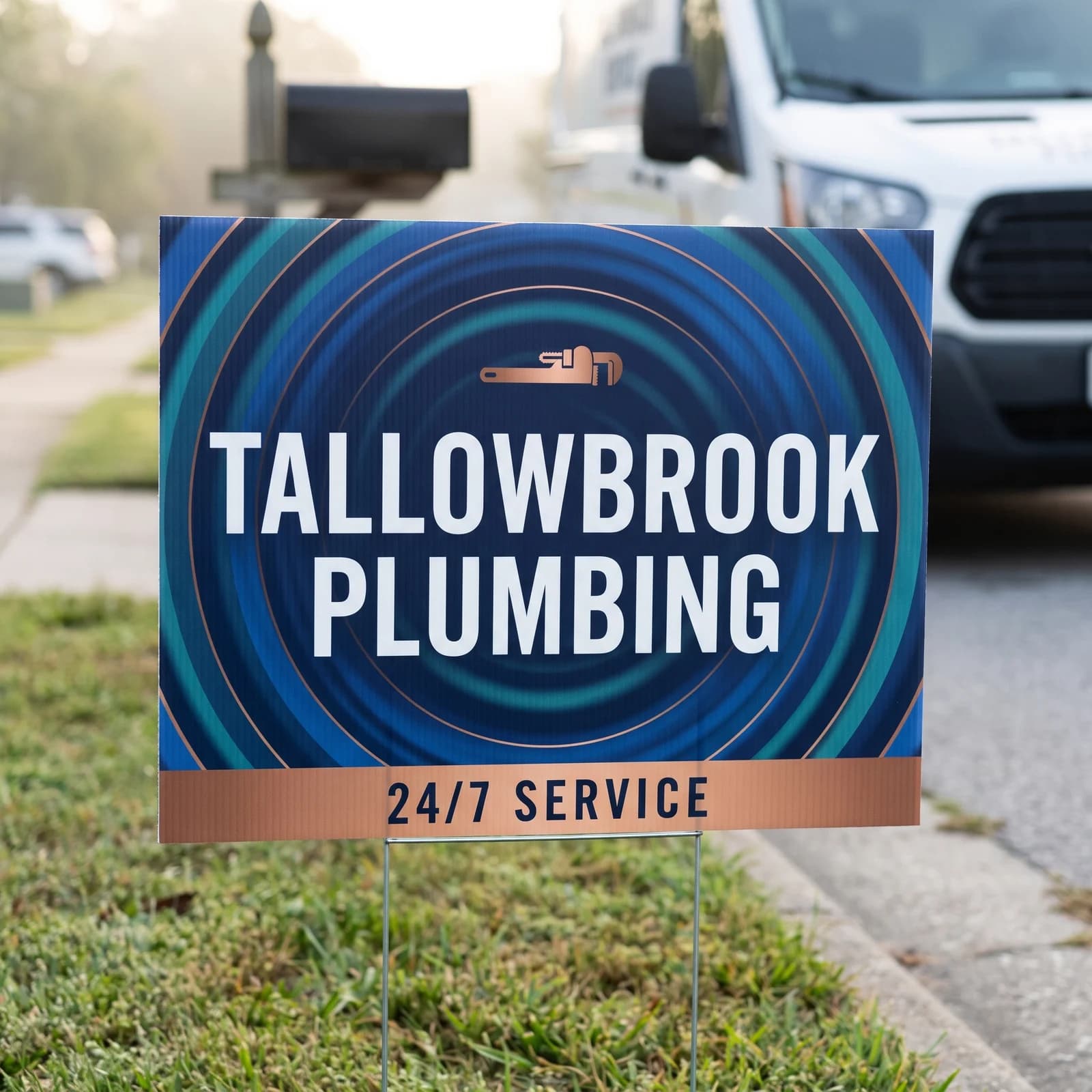
Choose coroplast for any sign that goes in the ground on a wire H-stake: real estate, open houses, campaigns, job sites, events and grand openings. It is 4 mm corrugated plastic with hollow flutes that a stake slides into, it handles rain, and it is light enough to carry by the dozen.
Coroplast is also the fastest board to get: yard signs print the next business day after proof approval. A standard 18 x 24 inch sign is $64.99, and the custom coroplast page takes any width and height. Stakes are a separate add-on.
It is a temporary material. Over a long stretch of sun and wind it can bow, so for a sign meant to stand for years, choose metal. Our coroplast vs aluminum comparison covers that choice in detail.
When Is Foam Board or Styrene the Right Material?
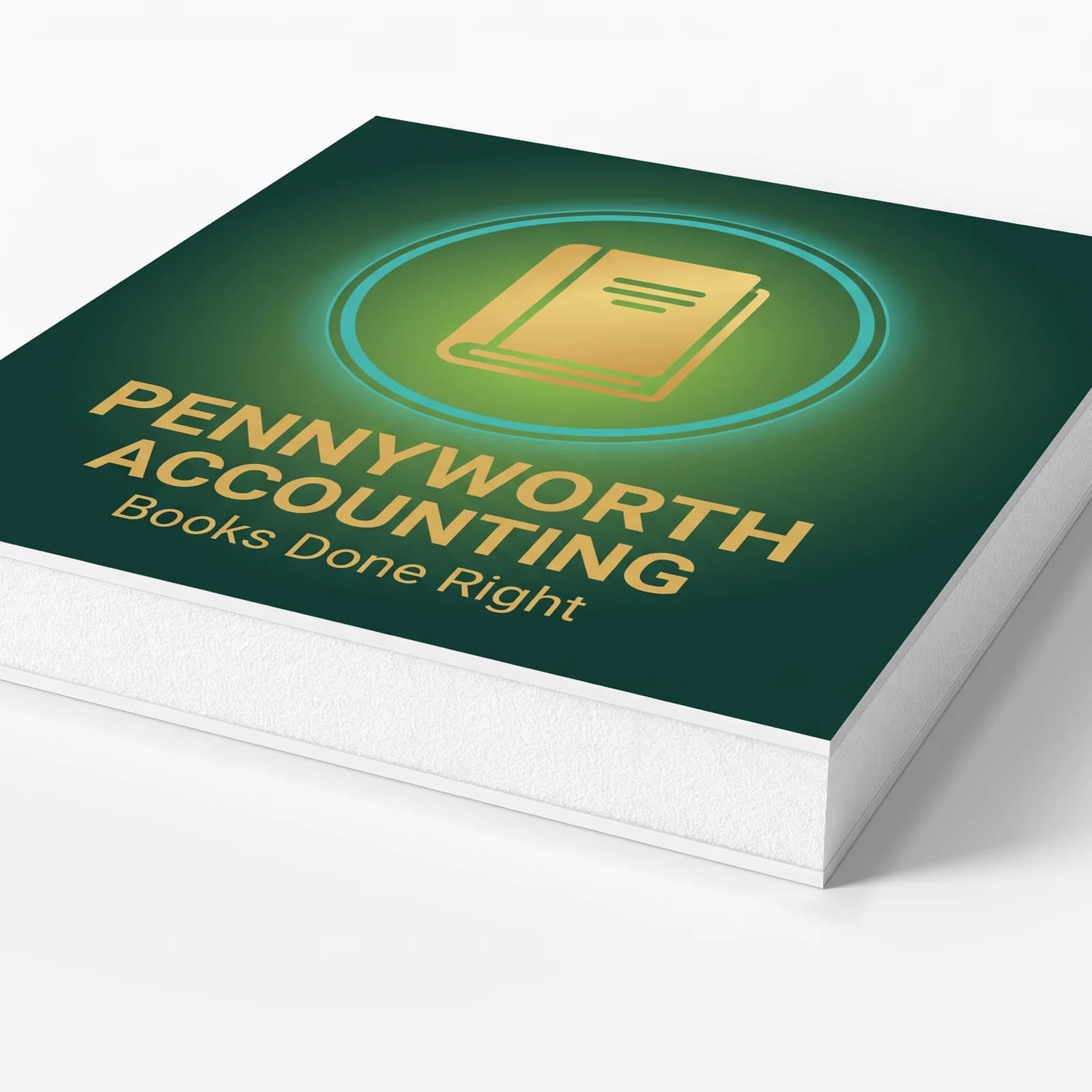
Foam board and styrene are right for indoor signs used for days or weeks. Foam board is a 3/16 inch foam core with a paper facing, light and stiff enough for an easel: welcome signs, seating charts, presentation boards. It is sold for indoor use only.
Styrene is thinner and lighter still, a semi rigid plastic printed on one side. It is a low cost rigid sign for short term indoor use: shelf talkers, point of purchase signs, event directions and inserts for drop in sign frames.
When an indoor sign needs to last years on a wall, step up to GatorFoam, a dense board with a wood fiber facing that will not warp. Our foam board, PVC and GatorFoam comparison puts the three side by side.
What Is PVC Used For?
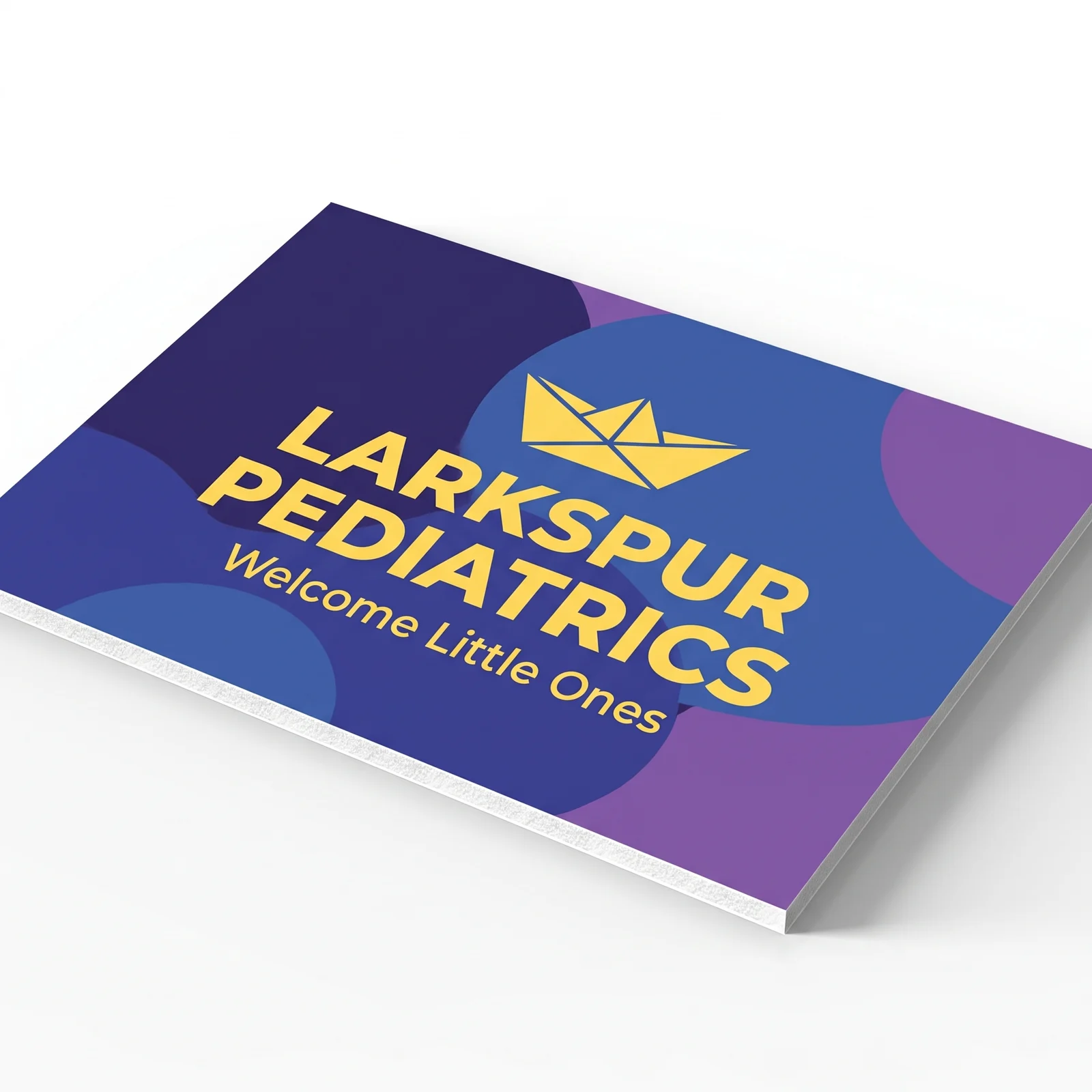
PVC is used for signs that need to be rigid and shrug off water: restroom and kitchen signs, menus screwed to a wall, signs in drop in frames, and safety signs zip tied to a fence for a short project. Our 1/8 inch expanded PVC is lightweight and water resistant, built for long term indoor signs and short term outdoor use.
PVC takes screws well and flexes slightly instead of cracking when bumped. Sizes run from 6 x 24 inches, a good size for a door or a narrow wall, up to 24 x 36 inches. For a sign that stays outdoors year after year, metal is the better choice.
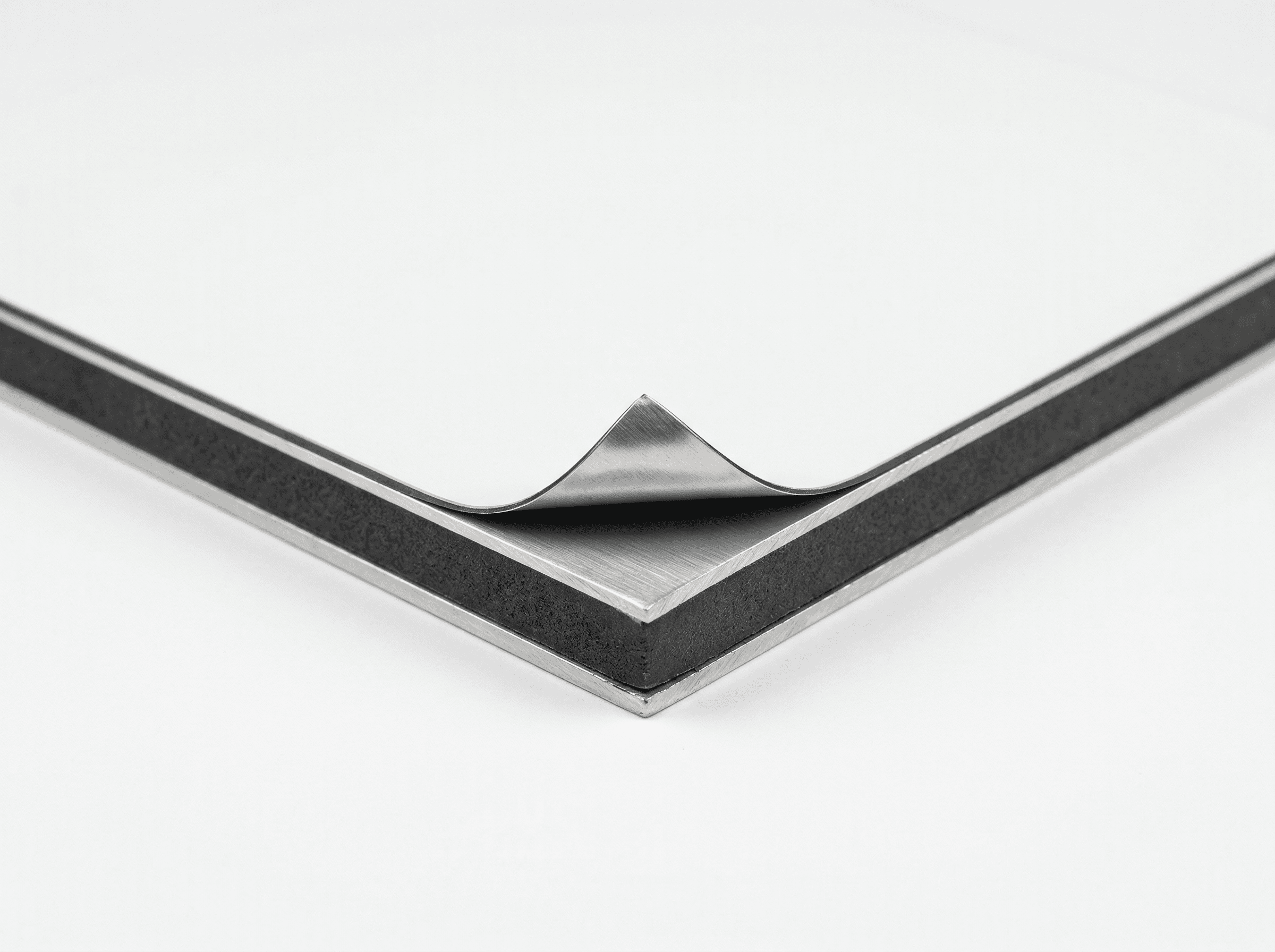
What Is ACM and How Does It Compare With Solid Aluminum?
ACM, aluminum composite material, is a 3 mm panel of two thin aluminum skins bonded to a solid core. It is rigid, flat and weatherproof, made for permanent outdoor and indoor signs, and it is printed directly on one side or both. Sizes run from 12 x 18 to 24 x 36 inches.
Solid aluminum is a single .040 inch sheet with a UV printed vinyl face. It will not rust and carries a 5+ year outdoor durability guarantee. It comes in 12 stock sizes plus custom, with drilled holes and rounded corners as options, which makes it the standard for parking, address and regulatory signs on posts.
The short version: ACM for a larger flat panel on a wall, aluminum for a smaller sign on a post or fence.
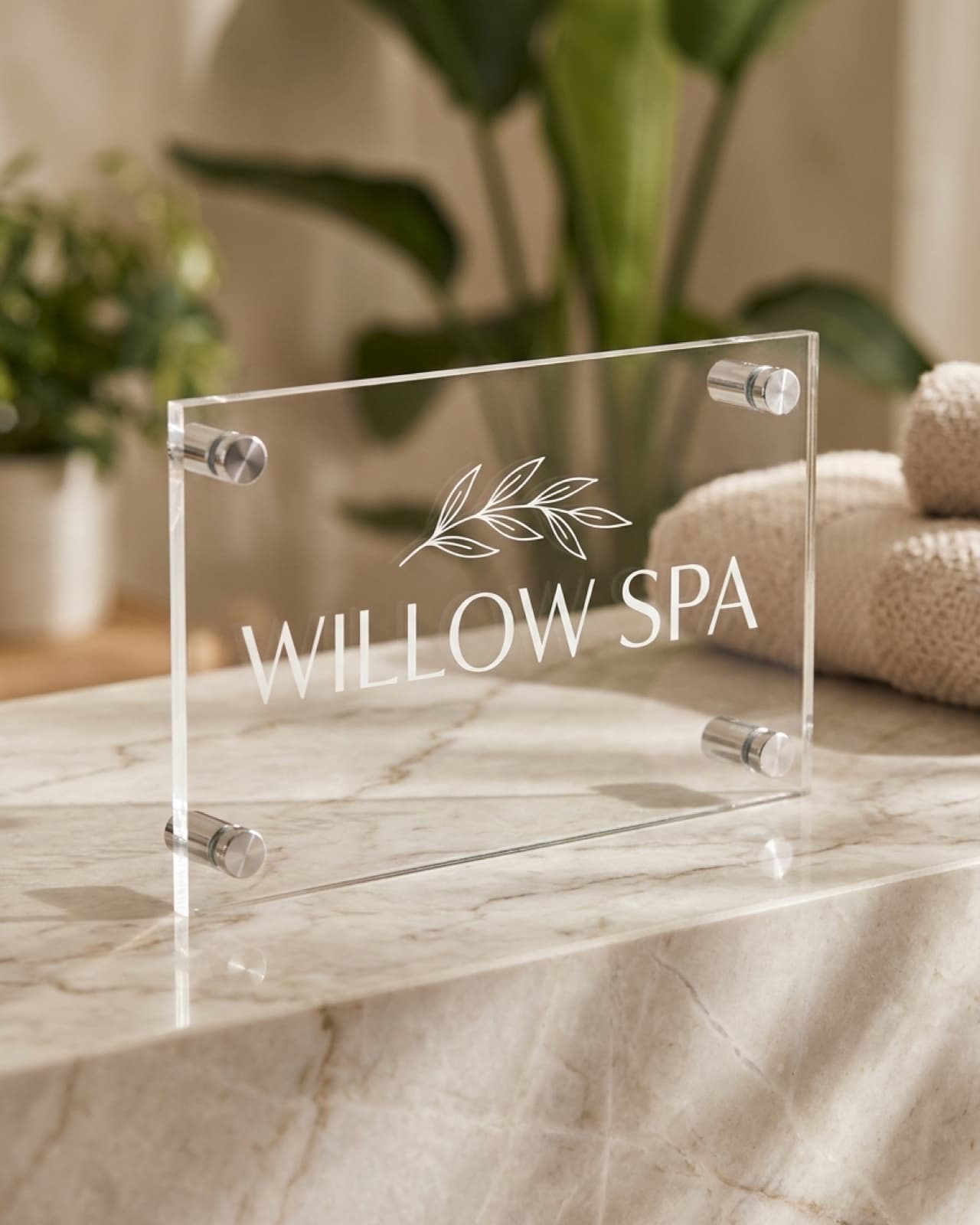
When Should You Choose Acrylic?
Choose acrylic when an indoor sign should look built into the room: a lobby logo, a reception sign, office and conference room names. Our acrylic sign is 1/4 inch clear acrylic with a UV print, made as a premium indoor display, with chrome standoffs as an option to float it off the wall.
Sizes run from 12 x 12 to 24 x 36 inches. The wall shows through any clear area, so pair bold artwork with a plain wall, or fill the design with a background color on a busy one. The acrylic office sign guide covers sizes, standoffs and placement.
How Do You Pick the Size and Thickness?
Pick the size from the reading distance, then the thickness from the support. A common rule of thumb is about one inch of capital letter height for every ten feet of reading distance, so a sign read from 40 feet away needs capitals of about 4 inches.
| Reading distance | Capital letter height | Typical sign size |
|---|---|---|
| Up to 10 ft | About 1 in | 11 x 17 or 12 x 12 in |
| 10 to 25 ft | 1 to 2.5 in | 12 x 18 or 18 x 24 in |
| 25 to 40 ft | 2.5 to 4 in | 18 x 24 or 24 x 36 in |
| 40 ft and beyond | 4 in or more | 24 x 36 in or a banner |
For thickness, think about what holds the sign. A stake needs coroplast flutes. An easel needs a stiff board such as foam board or GatorFoam. A post or fence needs metal with holes. A wall can take almost anything, and the room decides the look.
What Should You Check Before You Order?
Check four things before you approve the free digital proof: the material matches indoor or outdoor use, the mount matches the material, every name and number is spelled right, and nothing important sits where a hole, grommet or standoff will go.
- Indoor or outdoor. Foam board, styrene, GatorFoam and acrylic belong indoors.
- Mount. Stakes need coroplast; posts need holes in aluminum; hanging boards need grommets.
- Spelling and numbers. Phone numbers and suite numbers are the details customers act on.
- Clearance. Keep text clear of every corner that carries hardware.
Picture a small dental practice, Westmarch Family Dental, outfitting a new office: coroplast signs on stakes for the grand opening, an aluminum reserved parking sign on a post, an acrylic logo panel behind the front desk, and foam board welcome signs on easels for the open house. Four materials, each chosen by place and time, and one proof for each.
Start on the custom coroplast sign page or the aluminum sign page, and read how long outdoor signs last by material before you choose for a sign that stays outside.
Frequently Asked Questions
Several materials start in the same range: an 11 x 17 inch styrene sign is $64.99, an 11 x 17 inch foam board sign is $64.99 and a 10 x 14 inch aluminum sign is $59.99. Pick the material by where the sign goes, then compare totals at your exact size on each product page.
For a sign that stays outside for years, choose .040 aluminum, which will not rust and carries a 5+ year outdoor durability guarantee, or 3 mm ACM, which is weatherproof and made for permanent signs. A 10 x 14 inch aluminum sign is $59.99. For a temporary outdoor sign on a stake, coroplast is the standard.
No. Our foam board is sold for indoor use only, because its paper facing does not handle rain. For a short outdoor job choose PVC, which is water resistant and suited to short term outdoor use, or a coroplast yard sign.
ACM is a 3 mm panel of two thin aluminum skins bonded to a solid core, so it stays flat on larger panels. Solid aluminum is one .040 inch sheet, the classic post and fence sign. A 12 x 18 inch ACM sign is $64.99 and a 10 x 14 inch aluminum sign is $59.99.
Clear 1/4 inch acrylic is the most finished looking indoor sign, especially on chrome standoffs. A 12 x 12 inch acrylic sign is $84.99. GatorFoam and ACM give a flat, opaque panel at a lower price.
Coroplast yard signs print the next business day after proof approval. Foam board, PVC, styrene, GatorFoam, ACM, aluminum and acrylic print in 3 business days. Every product ships for a flat $10 to any US address.
Related Articles
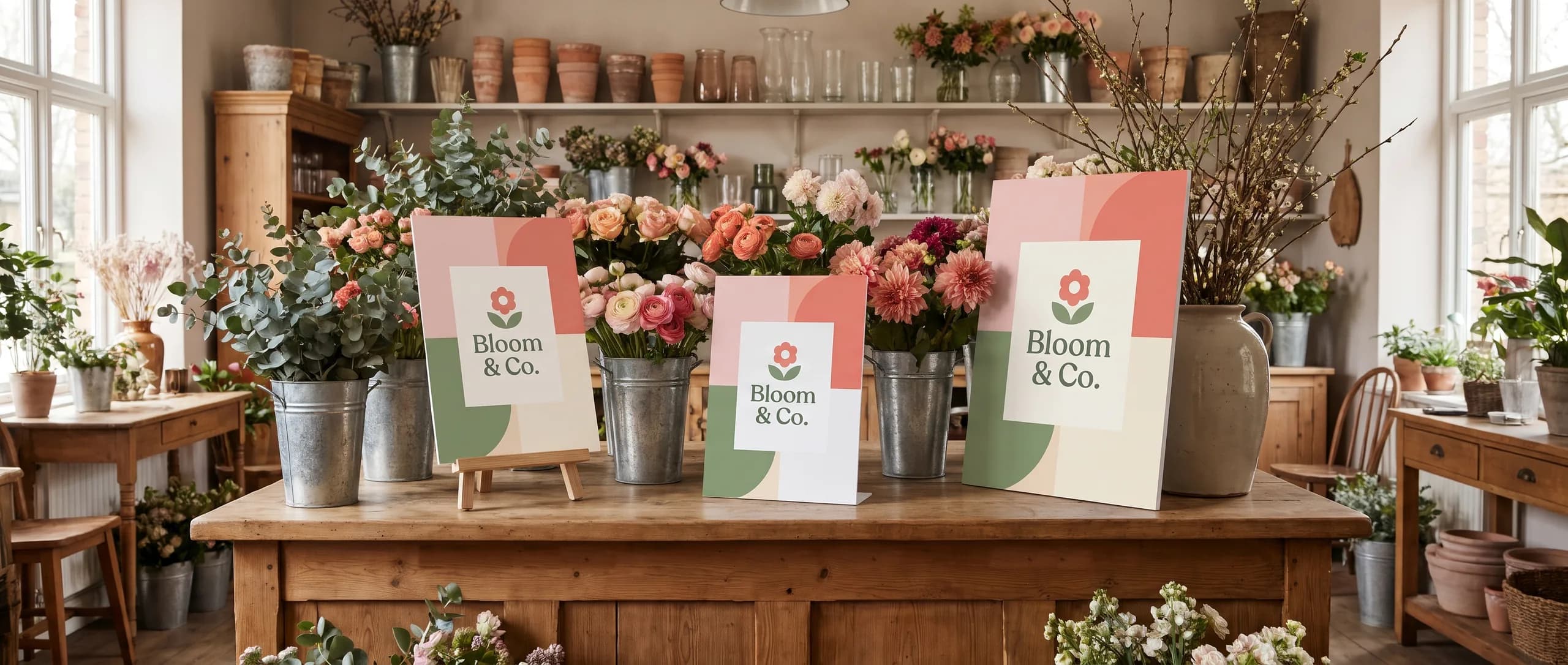
Foam Board vs PVC vs GatorFoam: Cost, Strength and Uses
An 11 x 17 inch foam board sign is $64.99 and an 18 x 24 inch GatorFoam sign is $85.59. Compare [...]
Read More: Foam Board vs PVC vs GatorFoam: Cost, Strength and Uses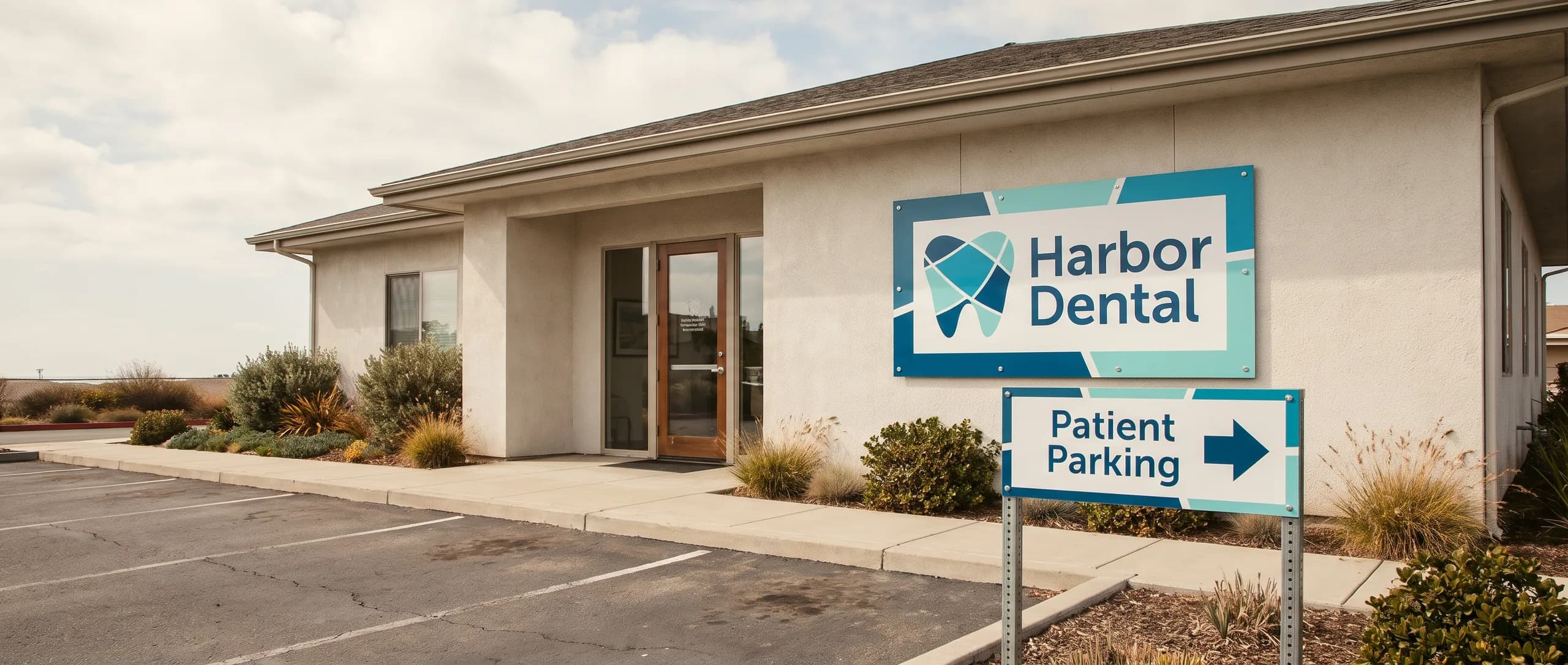
ACM vs Aluminum Signs: Cost, Flatness and Mounting
A 12 x 18 inch ACM sign is $64.99 and a 10 x 14 inch aluminum sign is $59.99. Compare cost, [...]
Read More: ACM vs Aluminum Signs: Cost, Flatness and Mounting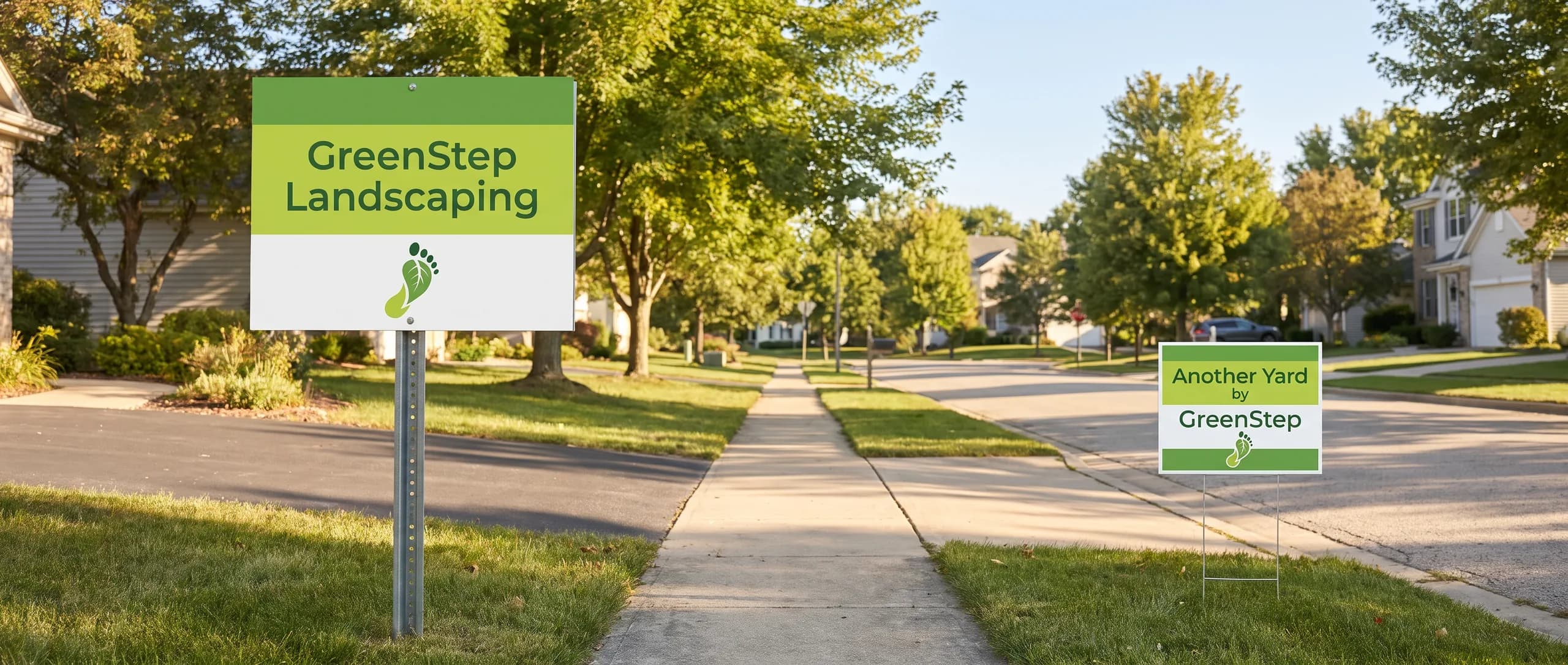
Coroplast vs Aluminum Signs: Cost, Life and Mounting
An 18 x 24 inch coroplast yard sign is $64.99 and a 10 x 14 inch aluminum sign is $59.99. [...]
Read More: Coroplast vs Aluminum Signs: Cost, Life and Mounting
How Long Do Outdoor Signs Last? Life by Sign Material
A .040 aluminum sign, from $59.99 for 10 x 14 inches, carries a 5+ year outdoor guarantee. See [...]
Read More: How Long Do Outdoor Signs Last? Life by Sign Material