24 x 36 Aluminum Sign Cost: Current Price and Options
 Jean
October 12, 2026Updated October 19, 20269 min read
How Much Does a 24 x 36 Aluminum Sign Cost?
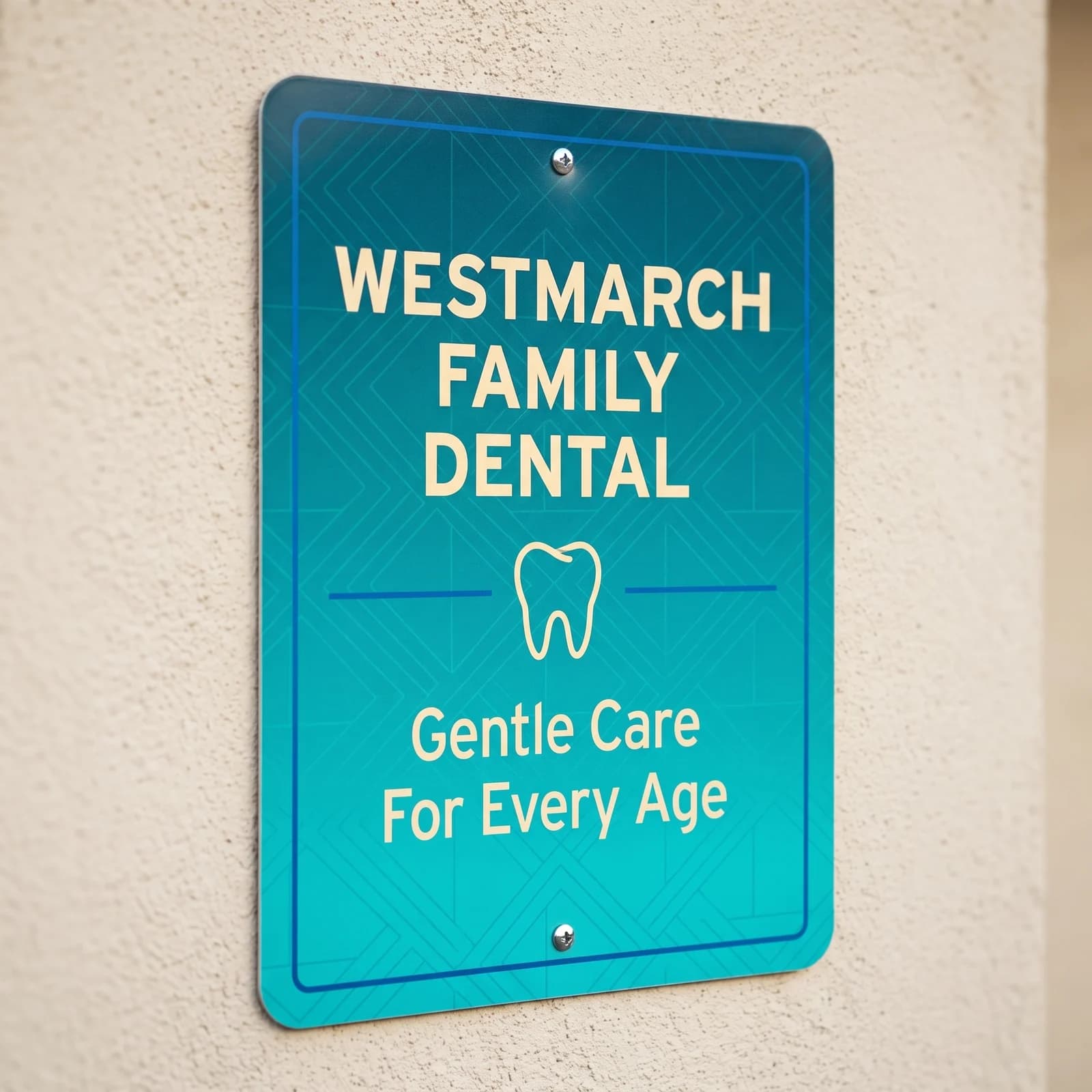
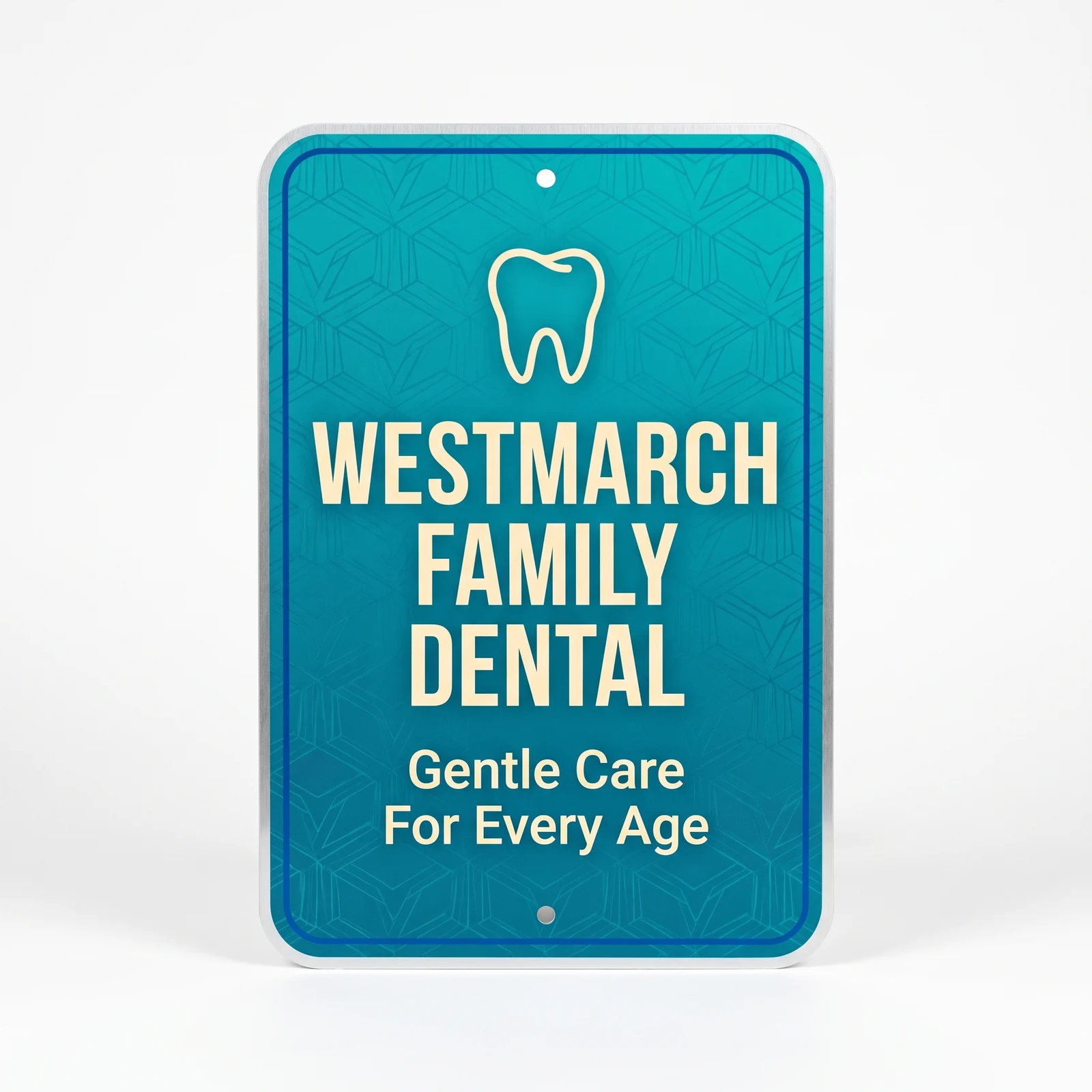
A 24 x 36 inch .040 inch aluminum sign is $181.89 single sided with straight corners and no holes. It is printed in the USA in 3 business days after artwork approval, ships nationwide, and has flat $10 shipping to any US address. Double-sided printing raises the same default 24 x 36 inch sign to $310.29.
A 24 x 36 inch .040 inch aluminum sign costs $181.89 with single-sided printing, straight corners, no holes, and quantity one. Choosing double-sided printing raises that same default setup to $310.29. Those are product prices for the finished panel. Shipping is a separate flat $10 to any US address.
| Finished size | Single-sided price | Double-sided price | Pricing basis |
|---|---|---|---|
| 12 x 18 inches | $74.89 | $139.09 | Quantity one, straight corners, no holes |
| 18 x 24 inches | $96.29 | $181.89 | Quantity one, straight corners, no holes |
| 24 x 36 inches | $181.89 | $310.29 | Quantity one, straight corners, no holes |
This table is the clean comparison. Each row keeps quantity, corners, and holes fixed, then changes only the finished size or number of printed faces. That prevents a single-sided quote from being mistaken for a double-sided one. It also keeps a smaller panel from being compared with a 24 x 36 inch panel as though they were the same product.
The aluminum sign order page lets you select the actual configuration. Review every selected option before approving the artwork because the proof should match the panel, orientation, corner profile, and hole pattern you intend to receive.
What Does .040 Inch Aluminum Mean?
.040 inch aluminum describes the thickness of the metal blank used for this sign. The decimal belongs to the material specification, not the finished width or height. A 24 x 36 inch panel still measures 24 inches by 36 inches across its face, while the .040 inch figure describes the thin metal sheet itself.
The panel has a full color face made with UV printed vinyl. Aluminum is rust-proof, which makes it appropriate for the product's intended outdoor sign uses. It is a rigid metal sign panel, not corrugated plastic, foam board, or a paper poster. That distinction matters when comparing offers because two products can share the same finished dimensions while using very different substrates.
For quote comparisons, write the material and size on one line: .040 inch aluminum, 24 x 36 inches. Then add the printed sides, corner style, and hole pattern. That short specification is much clearer than asking only for a metal sign price.
How Do Single and Double-Sided Signs Change the Price?
Single-sided printing puts the design on one face, while double-sided printing adds a second printed face and changes the 24 x 36 inch price from $181.89 to $310.29. Both figures use quantity one, straight corners, and no holes, so the printed side count is the meaningful difference between them.
Choose single sided when the back will face a wall, fence, or another direction that people cannot usefully see. A parking or regulatory panel fixed flat against a wall usually needs one readable face. Printing the hidden back would add cost without creating another useful message.
Choose double sided when the panel will be read from opposite approaches. A sign placed on a post or fence line may need a message on each face. The two faces can support the same layout, or the artwork can be arranged so each side reads correctly from its own direction. Either way, both sides need to be represented clearly in the proof.
Do not estimate a double-sided price by doubling the single-sided number. The recorded double-sided total is $310.29 for this setup, and that exact configured figure should be used. The same rule applies to the smaller sizes in the table. Compare recorded configurations, not homemade formulas.
Which Corner and Hole Options Can You Choose?
You can choose straight corners or a 1/8, 1/4, 3/8, or 1/2 inch rounded radius, then select no holes, all four corners, top corners, center-top and bottom, or custom holes. Straight corners and no holes are the defaults behind every price in the table, so another selection should be identified clearly on the order and proof.
Straight corners preserve the full rectangular outline. They suit artwork built around a conventional panel shape, including layouts with strong blocks of color or a border. A border still needs breathing room because even a well-prepared sign can make a tight frame look crowded near the cut edge.
The four rounded options soften each corner at different radii. Important letters, logos, numbers, and border details should stay away from that curved area. A design that places a phone number or arrow against a square corner may need more room when rounded corners are selected.
Hole placement should follow the planned support. All four corner holes create one opening near each corner. Top corner holes serve a two-point pattern near the upper edge. Center-top and bottom places openings on the vertical centerline. Custom holes are for a different specified pattern. No holes leaves the panel undrilled.
Pick the hole option before artwork approval. Adding the selection early gives the proof a defined keep-clear area and prevents an opening from competing with a letter, arrow, border, or other essential detail.
Should You Order the Sign in Portrait or Landscape Orientation?
Choose portrait when the 24 inch edge should run across the top, and choose landscape when the 36 inch edge should run across the top. The catalog offers both directions across its size families: 12 x 18 and 18 x 12 inches, 18 x 24 and 24 x 18 inches, plus 24 x 36 and 36 x 24 inches.
Orientation should follow the available space and the direction of the message. Portrait gives more vertical room for a stacked name, symbol, instruction, and supporting line. Landscape gives more horizontal room for a long name, a directional statement, or an arrow beside a short message.
Turning a design is not the same as rebuilding it. A portrait layout rotated sideways leaves the words sideways too. Prepare the artwork in the final reading direction, then confirm that the width and height on the proof match the opening, post spacing, wall area, or fence section where the panel is intended to go.
Arrows need an extra orientation check. An arrow that points correctly in a portrait draft may point the wrong way after a rushed landscape conversion. Name the viewing direction in the artwork notes and read the proof as the viewer will encounter it.
Where Does a 24 x 36 Aluminum Sign Work Best?
A 24 x 36 aluminum sign is intended for parking, regulatory, address, and jobsite messages on posts, walls, or fences. Those are the target uses stated for the product. The rigid panel gives these messages a defined rectangular face, while the chosen orientation determines whether the layout reads tall or wide.
Parking signs should lead with the instruction or designation, then use supporting text only when it helps the reader act. Regulatory signs need clear hierarchy and enough contrast to separate the main rule from any smaller qualifying line. Address signs benefit from large numbers and a simple background that does not compete with them.
The support matters as much as the artwork. A post, wall, or fence presents different visible edges and viewing approaches. Decide where the panel will sit before choosing sides and holes. A wall-facing back may not need printing, while a post-mounted panel seen from two directions may justify a second face.
This product is not an A-frame or another self-supporting sidewalk display. If portability is the main need, compare the structure as well as the graphic size. The related A-frame sign size guide explains how framed sidewalk displays differ.
What Do We Check on Aluminum Sign Proofs?
We check that the artwork matches the selected size, orientation, printed sides, corner style, and hole pattern before approval. The most specific check is keeping every essential word, number, logo, border, and arrow clear of the chosen holes. A correct hole selection can still damage a message if the design ignores its position.
For all four corner holes, we inspect each corner rather than checking only one and assuming the others are clear. For top corner holes, the upper line of text and any border need enough space. For center-top and bottom holes, content on the vertical centerline deserves special attention. A custom pattern needs clear placement information so the artwork and openings can be evaluated together.
We also check arrows in the sign's final orientation. Directional artwork has to point correctly when the panel is viewed upright, not merely when the file first opens. On a double-sided sign, each face must be read from its own approach because copying one face directly can reverse the intended direction.
Names, addresses, phone numbers, and short instructions should be read character by character. These checks do not change the customer's message. They give the customer a clear opportunity to confirm the content and physical choices before production begins.
How Do You Order the Right Aluminum Sign Configuration?
Order the right configuration by choosing the finished size first, then the printed sides, corner style, hole pattern, and portrait or landscape orientation. For the price discussed here, select 24 x 36 inches, single sided, straight corners, no holes, and quantity one. That configured panel is $181.89 before the separate $10 shipping charge.
Next, prepare the artwork for the final reading direction. Keep the main message large, use strong contrast, and reserve clear space around any selected holes or rounded corners. If the sign includes an arrow, state where it should point when the finished panel is upright. If it prints on both sides, provide or approve both faces.
Review the proof as a manufacturing description as well as a picture. Confirm the dimensions, which edge is on top, whether one or two faces print, whether the corners are straight or rounded, and where holes appear. Then read every visible line. Approval starts the 3 business day production schedule, and shipping follows production.
Use the aluminum sign product page to make those selections. Match the material, dimensions, faces, corners, holes, and artwork to the place and message planned for the panel.
Frequently Asked Questions
One 24 x 36 inch .040 inch aluminum sign with single-sided printing, straight corners, and no holes costs $181.89. The same default setup with double-sided printing is $310.29. Shipping is a separate flat $10 to any US address.
.040 inch aluminum identifies the thickness of the metal sign blank. It is a rigid, rust-proof panel with a full color printed face. The product is intended for parking, regulatory, address, and jobsite signs used on posts, walls, or fences.
24 x 36 inch aluminum signs can be single sided or double sided. The default single-sided configuration is $181.89, while double-sided printing with the same straight corners, no holes, and quantity one is $310.29.
4 rounded corner radii are available: 1/8, 1/4, 3/8, and 1/2 inch. Straight corners are the default used for the listed prices. Rounded corners change the panel profile, so keep logos, letters, and borders clear of the curved corner area.
5 hole choices are available: no holes, all four corners, top corners, center-top and bottom, or custom holes. Select the pattern before proof approval so essential words, arrows, logos, and borders can stay clear of every opening.
Production takes 3 business days after artwork approval. Shipping follows production and costs a flat $10 to any US address. The production schedule is not an arrival date, so allow separate transit time when the sign is needed for a planned opening, jobsite, or event.
Related Articles
Foam Board Sign Benefits: Best Indoor Uses and Limits
Foam board signs are lightweight 3/16 in indoor display panels. Compare 12 x 18 through 24 x 48 [...]
Read More: Foam Board Sign Benefits: Best Indoor Uses and Limits
A-Frame Sign Sizes: 24 x 36 in Graphic and Frame Specs
The standard a-frame sign size is a 24 x 36 in graphic in a frame 46 in tall. Get 22x28 and [...]
Read More: A-Frame Sign Sizes: 24 x 36 in Graphic and Frame Specs
Wind Resistant Sidewalk Sign: Is a 19 lb A-Frame One?
A sidewalk A-frame is 46 by 25 by 3 inches and 19 lb, with one 24 by 36 inch vinyl graphic. [...]
Read More: Wind Resistant Sidewalk Sign: Is a 19 lb A-Frame One?
Foam Board vs GatorFoam vs Aluminum: Which to Order
An 18 x 24 inch GatorFoam sign is the rigid indoor choice; foam board is lighter, while .040 [...]
Read More: Foam Board vs GatorFoam vs Aluminum: Which to Order