How to Remove Stickers and Decals Without Damage, by Surface
 Jean
April 18, 2026Updated October 16, 20269 min read
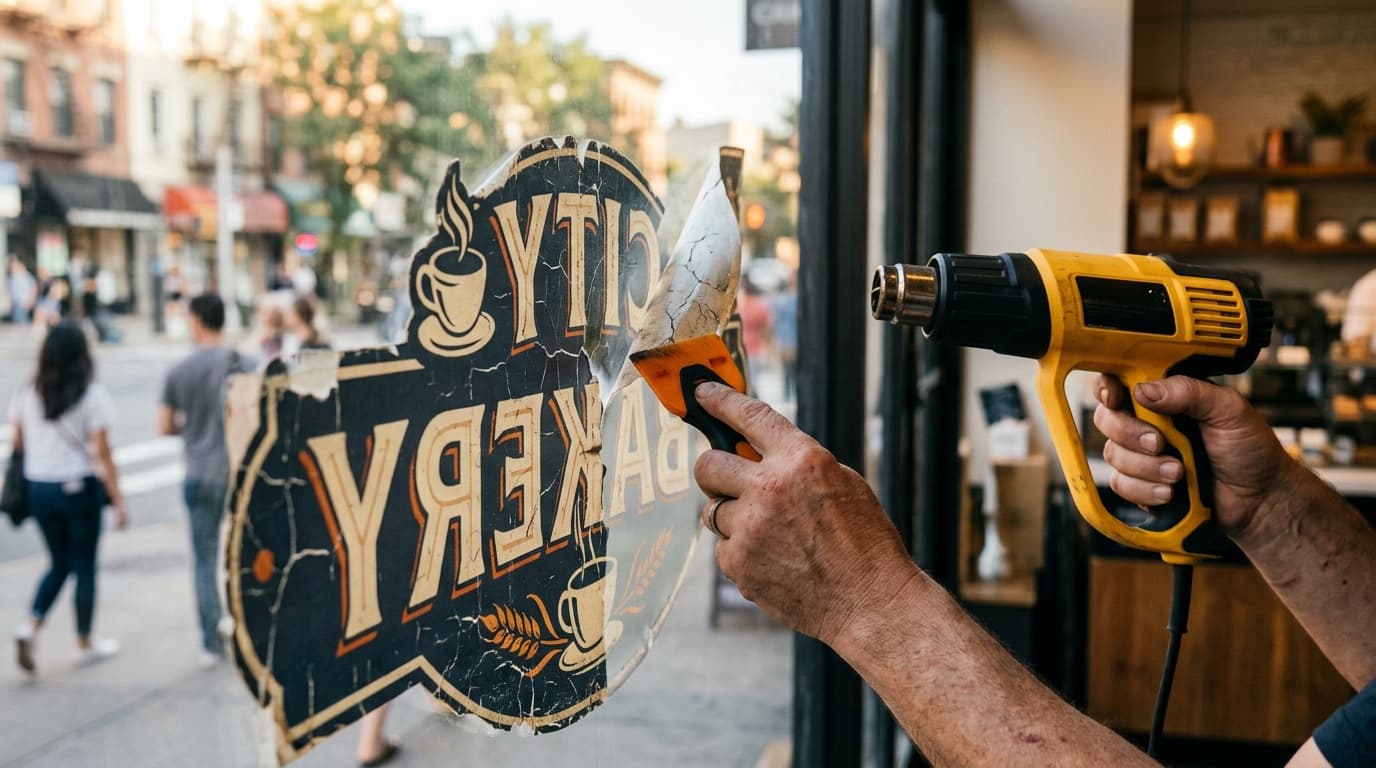
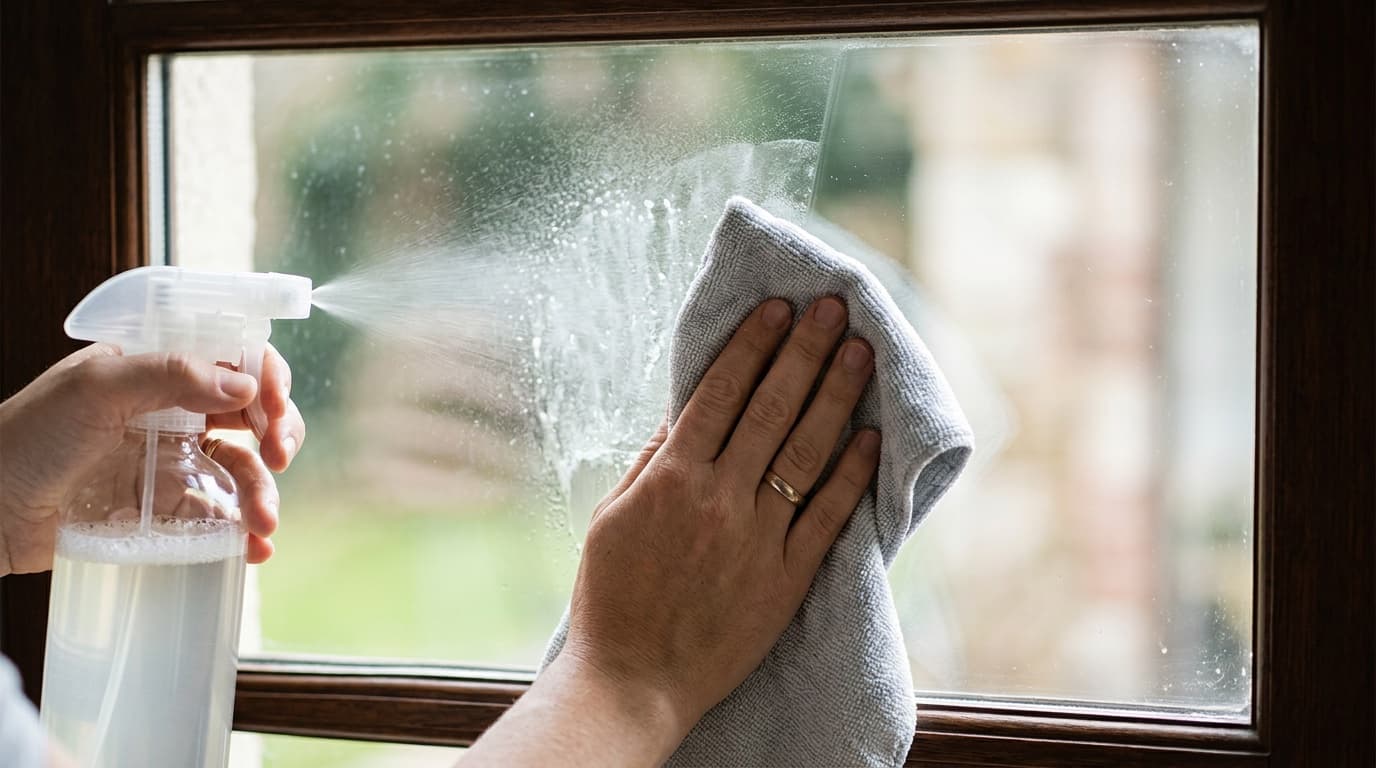
How Do You Remove Stickers and Decals Without Damage?
For 4 common surface groups, glass, paint, walls, and plastic, remove a sticker or decal by identifying the finish, testing a hidden area, and beginning with the least aggressive compatible option. Stop immediately if the color, gloss, texture, coating, or surface changes.
Treat "without damage" as the goal, not a promise. A decal may be attached to plain glass, coated glass, factory paint, repaired paint, an interior wall, or a plastic panel. Those surfaces can react differently even when the decal looks the same from the front.
Use four checkpoints: identify the surface, inspect its condition, test a hidden area, and stop at the first visible change. Confirm any coating or previous repair before choosing a removal option. Guidance for the exact finish should control the decision.
| Surface group | What to confirm first | Least-aggressive starting choice | Stop when you see |
|---|---|---|---|
| Glass | Film, tint, coating, printing, chips, or delicate edges | Guidance approved for that exact glazing system | Clouding, scratches, coating movement, or edge damage |
| Painted finish | Factory or repaired paint, clear finish condition, existing chips | The vehicle or coating maker's approved care guidance | Color transfer, gloss change, lifting paint, or a widening chip |
| Painted wall | Paint condition, wall material, prior peeling, and finish type | A hidden-area test using wall-finish guidance | Paint lifting, paper fibers, texture loss, or discoloration |
| Plastic or acrylic | Exact plastic type, coating, print, and sensitivity | A surface-compatible option confirmed by the maker | Haze, softening, warping, scratches, or color change |
No single removal sequence is safe for every surface. Surface documentation and current condition should control the choice for glass, paint, walls, or plastic. Begin with the least aggressive compatible option, and stop as soon as the substrate or finish changes.
How Does the Surface Change the Removal Decision?
The surface changes both the acceptable options and the point where you should stop. Glass can be hard yet still carry a delicate film. Paint can look solid while hiding a repaired area. A wall can release its finish before the adhesive releases. Plastic can haze or scratch even when a nearby glass panel does not.
Age and exposure add uncertainty. A decal rated for outdoor use has a product lifespan claim, not a promise about future removal. Sun, abrasion, previous cleaning, repairs, and the condition of the substrate can affect what you find. That is why the same decal may behave differently on two doors that appear identical.
Before deciding to continue, separate the decal from the substrate in your thinking. Ask what material is underneath, what finish sits on top of it, and whether any coating or repair is present. If you cannot identify those layers, the uncertainty belongs in the decision. Valuable or delicate surfaces deserve a professional assessment.
What Should You Consider for Glass?
For glass, first determine whether the decal is attached to plain glazing or to a film, tint, coating, printed element, or specialty surface. "It is on a window" is not enough information. The layer directly under the adhesive is what governs the risk.
Inspect the surrounding area for chips, cracks, lifted film edges, scratches, and cloudy patches. Those conditions can change the stopping point. Follow the window or film maker's care and removal guidance where it exists. A hidden-area test should be far enough from the main view to reveal a reaction without creating a prominent mark.
Stop if the glass surface changes, a film edge moves, a coating becomes uneven, or a scratch appears. Clouding, visible scratches, coating movement, or damage near a chipped edge all show that the surface is reacting and needs a different assessment.
What Should You Consider for Painted Finishes?
Painted finishes require a clear history when possible. Factory vehicle paint, repaired paint, a repainted panel, powder-coated metal, and ordinary painted trim can have different limits. Existing chips, failing clear finish, rust, overspray, and prior repairs increase uncertainty before removal begins.
Use care information from the vehicle, coating, or finish maker. A hidden-area test can expose an obvious reaction, but it cannot promise the whole panel will respond the same way. Decals can cover differences in fading or wear, so a visible outline after removal is not automatically leftover adhesive or evidence that the surface was harmed.
If color transfers, gloss changes, paint lifts, or an existing chip grows, stop. When the paint history is unknown or the surface is valuable, a qualified vehicle-finish or coating professional is the better decision. Inline Graphics does not provide that removal work.
What Should You Consider for Walls and Plastic?
Walls need attention to both the paint and the material under it. Sound paint over a stable wall is different from fresh paint, peeling paint, wallpaper, paper-faced wallboard, or a textured finish. If the wall already shows bubbles, loose edges, stains, or repairs, assume the risk is higher.
Plastic and acrylic need exact identification when possible. Two clear panels can look alike and respond differently. Some carry coatings or printed details, and some scratch or haze easily. Check the maker's care information rather than treating plastic like glass.
For either group, begin with the least aggressive compatible choice and keep the stop signs visible. Paint lift, paper fibers, texture loss, haze, softening, warping, or color change mean the finish is reacting. Continuing after that point turns a cautious assessment into avoidable damage.
What Replacement Decal Options Are Available?
A 12 x 12 inch contour-cut custom vinyl decal on 3M IJ-35C is $52.09. Contour cutting adds a one-time $20 setup fee per design. It is a replacement product for flat, smooth surfaces, not a removal method. Listed sizes run from 6 x 6 inches through 24 x 36 inches, with a custom-size choice.
The material is rated for up to 5 years outdoors. That statement describes expected outdoor use for the decal. It does not guarantee clean removal, protect an already failing surface, or replace the substrate maker's guidance. Those are separate questions.
Production takes 48 hours after artwork approval. Printed in the USA and shipped nationwide, replacement decals use flat $10 shipping to any US address. The product is useful when a business has removed outdated lettering, replaced a damaged graphic, or needs a new design for a suitable flat surface. Inline Graphics prints and ships the replacement decal. It does not remove the old one or assess the condition of the customer's surface.
How Do Coated and Plain Glass Change the Plan?
Coated and plain glass should not be treated as one identical surface. If one storefront pane has a protective film and another is plain glass, each section needs guidance for the layer directly beneath the adhesive. The same decal can present different risks across those two panes.
Record the decal locations, check the glazing documentation, and define the stop signs before addressing a visible area. Follow the film maker's guidance on the coated section and the glazing guidance on plain glass. If either surface clouds, scratches, or changes at an edge, stop and ask a qualified glass professional to assess it.
After removal is resolved, measure the intended replacement area and select a new decal size for a flat, smooth surface. The old decal removal and the new decal order remain separate decisions. Buying a replacement does not imply that removal is included, and a product rating does not establish what the old surface can tolerate.
What Is Included When You Order a Replacement Decal?
The replacement product is a custom vinyl decal on 3M IJ-35C for flat, smooth surfaces. The opening size is 12 x 12 inches. Standard choices range from 6 x 6 inches through 24 x 36 inches, and a custom-size option covers dimensions outside those listed choices.
Prepare the order by measuring the intended finished area and matching the artwork to that shape. Confirm that the target is flat and smooth. Submit the final design and complete artwork approval. The 48-hour production period begins after approval, with shipping after production.
The order contains the printed replacement product only. Decals ship on the full vinyl sheet with the cut lines plotted. Remove the extra vinyl around your design before applying. Most applications need transfer tape, which is not included.
If the old decal is still in place, finish the surface decision before ordering by final measurements. Damage, residue, or a changed placement can affect the dimensions needed for the replacement.
Which Sticker and Decal Removal Mistakes Should You Avoid?
Do not treat every clear surface as plain glass. Film, tint, coatings, and printed details can change the risk. Do not assume all paint is factory paint or in sound condition. Repairs, chips, failing clear finish, and age deserve a more cautious decision.
Do not assume a heat gun, scraper, solvent, or cleaning product is appropriate for a particular surface. Check the substrate and finish guidance first, and begin with the least aggressive compatible choice. Do not use a product's outdoor life rating as a removal guarantee, either.
Avoid continuing after the finish changes. A hidden-area test is useful because it creates an early stopping point, not because it proves every inch will behave identically. Finally, do not confuse a replacement product with a removal service. Inline Graphics sells the new decal and does not claim to remove the old one.
What Should You Do Next?
Identify the surface, check its condition and documentation, choose the least aggressive compatible option, and define the warning signs that mean stop. If the finish is valuable, delicate, repaired, coated, or uncertain, ask a qualified professional for that surface to assess the removal.
When the old graphic is resolved and the replacement area is confirmed, order a custom vinyl decal. Choose a listed or custom size, submit artwork for the flat, smooth target surface, and complete artwork approval so production can begin.
Frequently Asked Questions
No removal result can be guaranteed across every surface, adhesive, age, and finish. Use guidance written for the exact surface, test a hidden area, and stop if color, coating, texture, gloss, or the surface itself begins to change.
No. Plain glass and glass with a film, tint, coating, printed detail, or delicate edge can require different handling. Identify what is on the glass before choosing an option, and stop if the surface becomes cloudy, scratched, or visibly altered.
It depends on the paint and its condition. Factory paint, repaired paint, aging clear finish, and already failing areas do not present the same risk. Check the vehicle maker's care guidance and use a qualified finish professional when the paint history is uncertain.
A hidden-area test shows whether the finish reacts before a visible section is affected. It does not guarantee the entire decal will behave the same way, but it gives a clear reason to stop when color, texture, gloss, or coating changes.
No. Inline Graphics sells replacement custom vinyl decals and does not offer a decal removal service. When removal involves valuable paint, coated glass, delicate walls, or uncertain plastic, contact a qualified professional for that surface.
Production takes 48 hours after artwork approval. The opening size is 12 x 12 inches, with listed choices from 6 x 6 inches through 24 x 36 inches and a custom-size option for other dimensions.
Related Articles

Window Decals vs Window Clings: Which One Lasts Longer
Window decals use adhesive and stay put for years. Window clings use static and peel off clean. [...]
Read More: Window Decals vs Window Clings: Which One Lasts Longer
Floor Decal Uses: 5 Ways Businesses Guide and Sell
Five floor decal uses are wayfinding, queue markers, sales, booth branding, and welcome [...]
Read More: Floor Decal Uses: 5 Ways Businesses Guide and Sell
Car Door Decals: Pair Sizes and Prices for Work Trucks
Car door decals come as a pair in four sizes, from 12 by 12 in to 24 by 24 in, on 3M cast vinyl [...]
Read More: Car Door Decals: Pair Sizes and Prices for Work Trucks
How to Get Wrinkles Out of a Vinyl Banner: 4 Safe Methods
Start with gentle, even tension for 1 to 3 hours. Learn when mild heat may be appropriate, what [...]
Read More: How to Get Wrinkles Out of a Vinyl Banner: 4 Safe Methods